Sealing
Best Time Of Year To Seal Pavers In Florida
This guide outlines the practical checks and next steps homeowners can use when evaluating this paver concern.
Read Guide: Best Time Of Year To Seal Pavers In FloridaPractical guides about paver sealing, cleaning, joint sand, surface problems, travertine, and maintenance in Northeast Florida.
Browse practical answers about cleaning, sealing, joint sand, common problems, surface care, and Florida maintenance.
Showing all 53 guides.
No guides match your search. Try a different term or choose All Guides.
This guide outlines the practical checks and next steps homeowners can use when evaluating this paver concern.
Read Guide: Best Time Of Year To Seal Pavers In Florida
You can seal your own pavers, but in Florida the real difficulty is prep, not application. The honest comparison is DIY cost plus redo risk versus paying once for a complete professional process.
Read Guide: DIY vs. Professional Paver Sealing
This guide outlines the practical checks and next steps homeowners can use when evaluating this paver concern.
Read Guide: How Jacksonville Heat Rain And Humidity Affect Paver Sealing
In Jacksonville and Northeast Florida, a professional paver sealing job typically lasts about two to three years on most residential surfaces. Pool decks and coastal properties often land closer to 18–24 months.
Read Guide: How Long Does Paver Sealing Last in Florida?
Homeowners want a simple resealing timeline, but the honest answer depends on how the surface is performing. In Florida, sun exposure, rain, traffic, algae pressure, and the original prep all influence how long a sealed surface stays in its maintenance window. The best schedule is based on real wear signs, not just the calendar.
Read Guide: How Often Should Pavers Be Sealed in Florida?
The best sealer is not a one-size-fits-all answer. The right fit depends on how the surface is used, what appearance the homeowner wants, and how Florida weather affects that particular area.
Read Guide: How to Choose the Right Paver Sealer for Your Home
A sealer does not fail all at once. Most Jacksonville homeowners first notice smaller changes: color looks flatter, water stops beading, stains set faster, or joint sand starts loosening after heavy rain. Catching those signs early usually means a simpler maintenance visit instead of a larger restoration later.
Read Guide: Signs Your Pavers Need to Be Resealed
Water-based and solvent-based paver sealers are different systems, not just label variations. Picking the wrong one for your surface and conditions can create expensive failures.
Read Guide: Water-Based vs. Solvent-Based Paver Sealer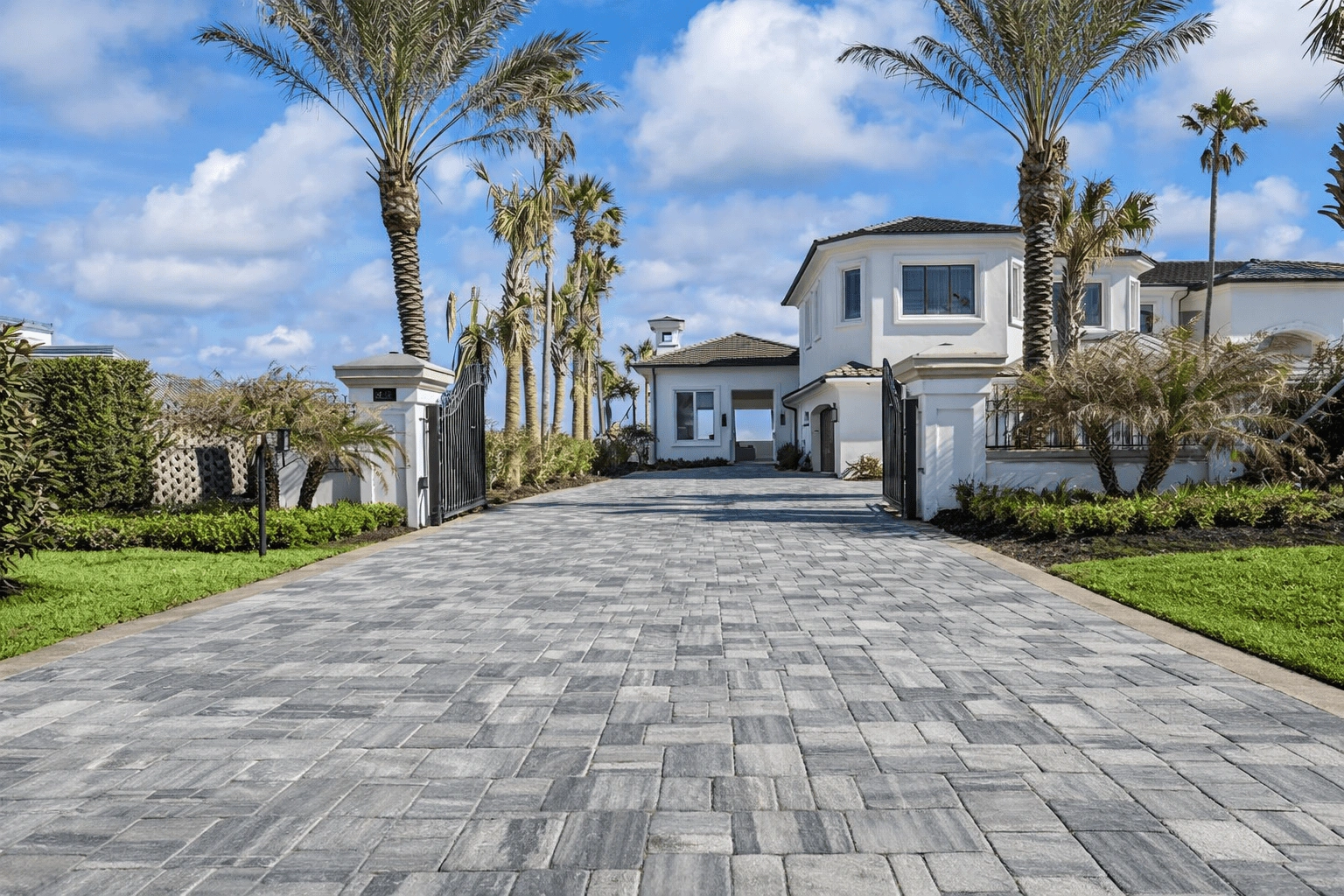
The difference is straightforward: wet look deepens color and adds visible sheen, while natural look protects pavers with a lower-sheen, closer-to-dry appearance. The best choice depends on surface type, safety needs, HOA context, and your maintenance expectations.
Read Guide: Wet Look vs Natural Look Paver Sealer
This guide outlines the practical checks and next steps homeowners can use when evaluating this paver concern.
Read Guide: Why Cheap Paver Sealing Jobs Fail
This guide outlines the practical checks and next steps homeowners can use when evaluating this paver concern.
Read Guide: Why Pressure Washing Alone Is Not Enough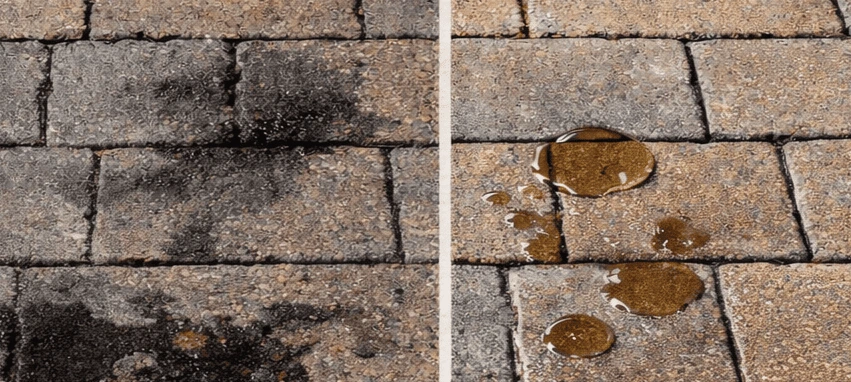
Pressure washing is useful, but it is also one of the fastest ways to shorten the life of a paver surface when it is done too aggressively. Homeowners often see immediate visual improvement and assume the job went well, even if the cleaning removed joint sand, etched the face, or forced water deeper into weak spots. Good cleaning should improve the surface without creating the next repair.
Read Guide: Can Pressure Washing Damage Pavers?
This guide outlines the practical checks and next steps homeowners can use when evaluating this paver concern.
Read Guide: Can You Seal Pavers Without Replacing The Sand
There is no single calendar that fits every Florida home. A sunny front driveway may only need routine cleaning a few times a year, while a shaded pool deck can start showing algae much faster. The right schedule depends on moisture, tree cover, traffic, nearby landscaping, and whether the pavers are currently protected with a healthy sealer.
Read Guide: How Often Should You Clean Pavers in Florida?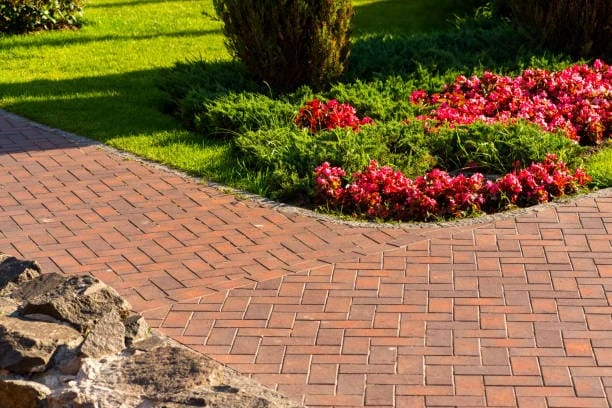
Cleaning pavers sounds simple until too much pressure, the wrong chemical, or the wrong angle leaves the surface worse than it started. A safer approach focuses on removing buildup while protecting the joints, edges, and appearance of the pavers.
Read Guide: How to Clean Pavers Without Damaging Them
Algae and mildew are common on Florida pavers, especially around pool decks, screened lanais, shaded walkways, and low spots that stay damp. The biggest mistake homeowners make is treating the discoloration like ordinary dirt. Organic growth needs the right cleaning approach and, just as importantly, a plan to reduce the moisture conditions that let it come back.
Read Guide: How to Remove Algae and Mildew From Pavers
This guide outlines the practical checks and next steps homeowners can use when evaluating this paver concern.
Read Guide: Should You Use Bleach On Pavers Before Sealing
This guide outlines the practical checks and next steps homeowners can use when evaluating this paver concern.
Read Guide: Astm C144 Sand vs Polymeric Sand For Paver Sealing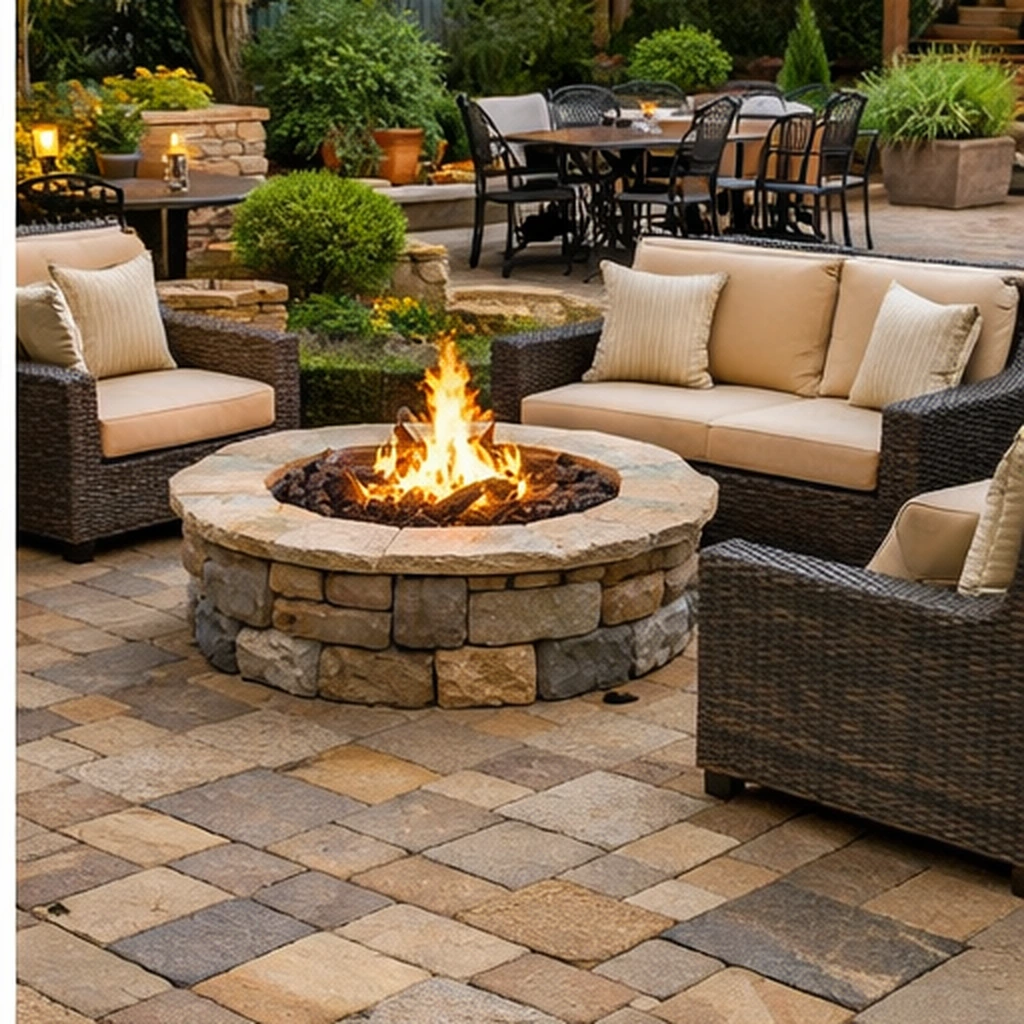
Pool decks ask more from a sealer than almost any other residential surface. They stay wet, collect sunscreen and organic film, and need to feel safe under bare feet. For Florida homeowners, the best pool deck sealer is not the one with the most dramatic shine. It is the one that fits the material, the moisture conditions, and the way the deck is actually used.
Read Guide: Best Sealer for Pool Decks: Slip Safety and Durability
If you are comparing driveway sealing bids in Jacksonville and Northeast Florida, price per square foot is a starting point—not the full story.
Read Guide: Driveway Paver Sealing Cost Per Square Foot
Driveways and patios may use similar pavers, but they do not age the same way. The way a surface is used should shape the prep, sealer choice, and maintenance plan. Homeowners often expect one sealing approach to work everywhere, but traffic, staining, shade, and water exposure usually call for different priorities.
Read Guide: Driveway vs. Patio Sealing: What’s the Difference?
When homeowners ask how long sealer lasts, traffic is one of the first things to evaluate. Two surfaces sealed on the same day can age very differently depending on whether they handle vehicles, pool activity, furniture movement, or a simple backyard walkway. Traffic does not just wear the top visually. It also changes where cleaning, staining, and moisture problems show up first.
Read Guide: How Traffic Affects Paver Sealer Longevity
This guide outlines the practical checks and next steps homeowners can use when evaluating this paver concern.
Read Guide: What Is The Best Paver Sealer For Jacksonville
This guide outlines the practical checks and next steps homeowners can use when evaluating this paver concern.
Read Guide: What Is The Best Paver Sealer For Pool Decks
The best sand for paver joints in Florida is ASTM C144 masonry sand, hydro-compacted into the joints after old sand is removed. Polymeric sand can work, but it has meaningful limitations in Florida conditions.
Read Guide: What Is the Best Sand for Paver Joints in Florida?
Not all discoloration is the same. What looks like “a stain” could actually be algae, rust, runoff, faded sealer, or a patch where moisture is trapped. That is why the best first step is identifying what you are seeing before choosing a cleaner or assuming the surface needs to be replaced.
Read Guide: How to Fix Stained or Discolored Pavers
This guide outlines the practical checks and next steps homeowners can use when evaluating this paver concern.
Read Guide: What Causes Efflorescence On Pavers
This guide outlines the practical checks and next steps homeowners can use when evaluating this paver concern.
Read Guide: Why Are My Pavers Slippery After Sealing
White pavers in Florida usually come from efflorescence or sealer failure. They look similar on the surface, but treatment is different.
Read Guide: Why Are My Pavers Turning White in Florida?
This guide outlines the practical checks and next steps homeowners can use when evaluating this paver concern.
Read Guide: Why Do Pavers Fail Faster Near The Beach
Weeds in paver joints make a surface look neglected fast, but the visible growth is usually only part of the problem. Weeds tend to show up where joint sand is thin, moisture is lingering, and debris has been allowed to sit in place. Removing the growth matters, but restoring the joints and the maintenance routine matters even more.
Read Guide: Why Do Weeds Keep Growing Between My Pavers?
This guide outlines the practical checks and next steps homeowners can use when evaluating this paver concern.
Read Guide: Why Is My Paver Sealer Peeling Or Turning White
Paver sealer peeling means the coating is no longer bonded to the paver surface, and in Florida that almost always traces back to moisture, prep, or product mismatch.
Read Guide: Why Is My Paver Sealer Peeling?
Sand comes out of pavers because water pressure and movement repeatedly disturb the joints. In Northeast Florida, the biggest drivers are irrigation overspray, heavy rain, repeated pressure washing, and installation or maintenance shortcuts that leave joints under-packed.
Read Guide: Why Is Sand Coming Out of My Pavers?
Pavers rarely lose color for one reason alone. In Jacksonville, fading is usually the result of strong sun exposure combined with wear, moisture, and aging protection. The way the fading appears can also tell you a lot. Uniform dullness points to one kind of issue, while patchy or lane-specific fading usually points to another.
Read Guide: Why Pavers Fade Over Time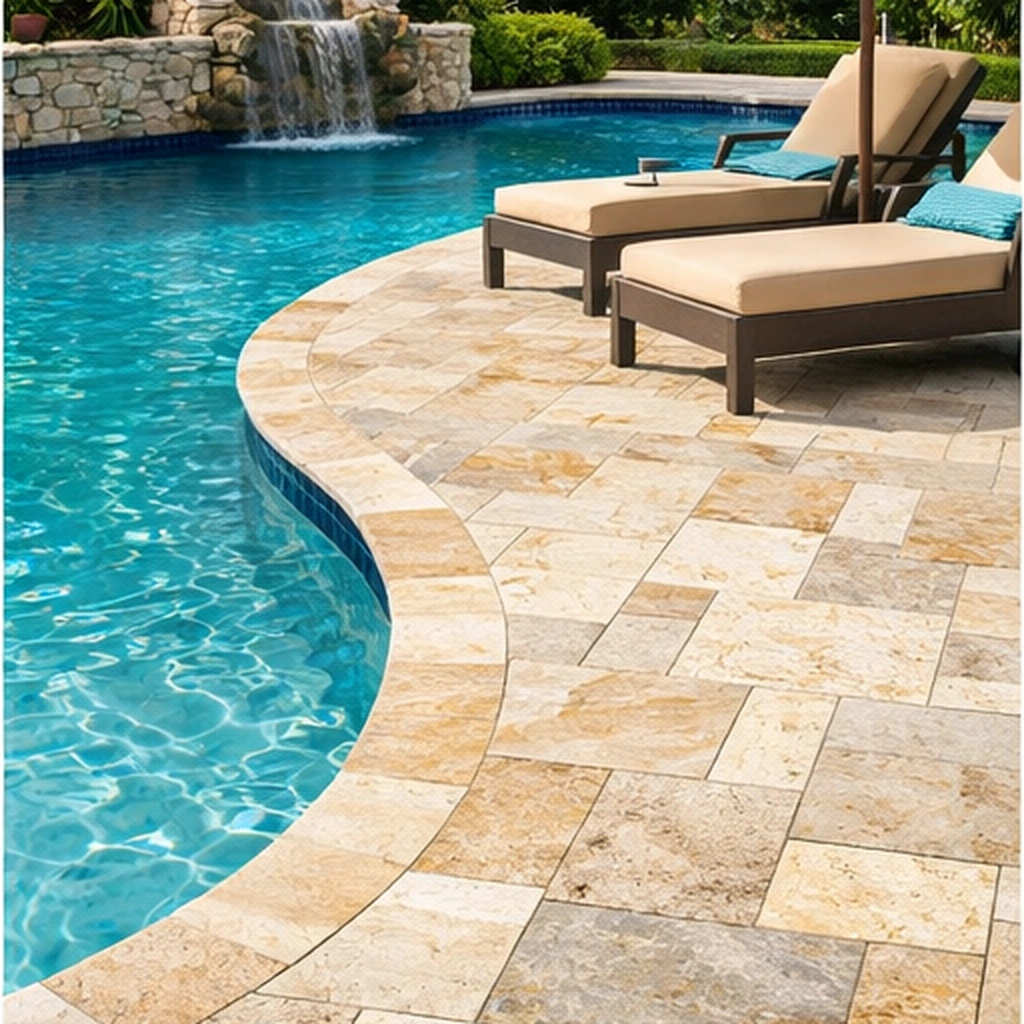
Travertine is one of the most attractive outdoor surfaces in Northeast Florida, but it is not maintenance-free. Most problems homeowners see are not sudden failures. They build slowly from moisture, cleaning habits, product choice, and day-to-day use. The good news is that many of them are preventable when the surface is maintained correctly.
Read Guide: Common Travertine Problems and How to Prevent Them
Travertine looks upscale because it has a softer, more natural character than many concrete pavers. That same quality is why it should be cleaned with more care. Homeowners who treat travertine like a standard hardscape surface can end up with dulling, etched areas, or a deck that never quite looks right again.
Read Guide: How to Clean Travertine Without Damage
Travertine is a popular pool deck material in Jacksonville because it looks refined and typically feels cooler than darker concrete surfaces. But homeowners are right to ask about slip safety. The honest answer is that wet performance depends on the stone’s texture, the finish applied, and how well the surface is maintained over time.
Read Guide: Is Travertine Slippery When Wet?
For many Florida homeowners, the answer is yes, but not because travertine needs a generic coating. Sealing is often helpful when it is matched correctly to the stone, the environment, and the way the pool deck is used.
Read Guide: Should You Seal Travertine Pool Decks in Florida?
This guide outlines the practical checks and next steps homeowners can use when evaluating this paver concern.
Read Guide: What Is The Best Sealer For Travertine
Most homeowners do not need a full re-sanding every single year, but many do need to monitor their joints more often than they expect. In Florida, rain, cleaning habits, traffic, drainage, and edging conditions all affect how quickly joint sand starts thinning out. The right answer is based on the condition of the joints, not the date on the calendar.
Read Guide: Do You Need to Re-Sand Pavers Every Year?
Sealing is not the end of maintenance. It is the start of a simpler, more protective maintenance phase. Homeowners get the best return from sealing when they keep debris off the surface, deal with stains quickly, and pay attention to the small issues that signal the next service is coming into view.
Read Guide: How to Maintain Pavers After Sealing
A well-maintained paver surface usually comes down to simple habits repeated at the right times. This checklist gives homeowners a practical way to watch for wear, respond early, and protect their driveway, patio, pool deck, or travertine area over the year.
Read Guide: Paver Maintenance Checklist for Florida Homeowners
Florida paver maintenance is easier when homeowners think seasonally. The concerns shift through the year: pollen and debris in spring, heavy rain and algae in summer, leaf staining in fall, and maintenance planning during the drier stretches. A seasonal rhythm helps you catch issues early instead of reacting once the surface already looks worn.
Read Guide: Seasonal Paver Care Tips for Florida Homeowners
The best time to seal pavers in Northeast Florida is usually spring, but real-world timing depends more on moisture, humidity, temperature, and forecast stability than a single month on a calendar.
Read Guide: Best Time of Year to Seal Pavers in Florida
Jacksonville heat changes how paver sealing has to be scheduled and applied. Surface temperature, humidity, and storm timing matter more than the number on the weather app.
Read Guide: How Jacksonville Heat Affects Paver Sealing
Pavers near Jacksonville Beach, Atlantic Beach, and Ponte Vedra age faster than inland pavers because salt, moisture, and abrasion all stack together in the same environment.
Read Guide: Why Pavers Fail Faster Near the Beach
This guide outlines the practical checks and next steps homeowners can use when evaluating this paver concern.
Read Guide: Questions To Ask Before Hiring A Paver Sealer
Trident Master Certified means a contractor has completed Trident-specific training in preparation, product selection, and application standards, then applies that training in real field conditions instead of treating every paver job the same.
Read Guide: What Does Trident Master Certified Mean?
Most companies can produce good day-one photos. The difference appears months later in whether the joints hold, the finish stays clear, and the surface still looks stable through Florida weather.
Read Guide: What Makes HydroSeal Different From Other Paver Sealing Companies?
This guide outlines the practical checks and next steps homeowners can use when evaluating this paver concern.
Read Guide: What To Look For In A Paver Sealing Company
This guide outlines the practical checks and next steps homeowners can use when evaluating this paver concern.
Read Guide: Why Hydroseal Uses Trident Products Only
We use Trident products only because a single professional system gives cleaner compatibility, more predictable finish outcomes, and fewer avoidable failures than mixing unrelated brands across prep, sand, and sealing steps.
Read Guide: Why We Use Trident Products OnlySend HydroSeal photos of your driveway, pool deck, patio, walkway, or travertine and we’ll help you understand the next step.