Google
★★★★★
5-STAR RATED PAVER RESTORATION.
Homeowners hire HydroSeal when faded, dirty pavers need more than a quick pressure wash.
Read customer reviews →
Fleming Island, Orange Park, Oakleaf, Middleburg and Green Cove Springs deal with a different mix of shade, tree canopy, irrigation, storm runoff and slower dry-out than the open coastal market. HydroSeal builds the restoration plan around those conditions instead of treating Clay County like a copy of Jacksonville.
Homeowners hire HydroSeal when faded, dirty pavers need more than a quick pressure wash.
Read customer reviews →Surface preparation before sealing.
ASTM C144 kiln-dried sand.
Two coats for Florida conditions.
Covered workmanship & adhesion.
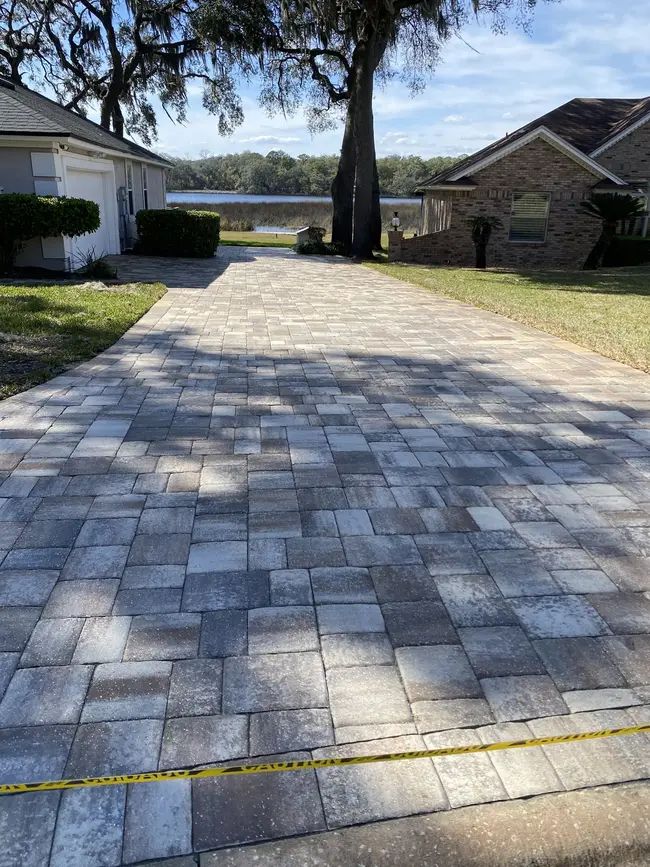
Shade is not automatically bad, but surfaces that stay damp support algae, mildew and darker organic buildup. The answer is not to seal over it. The surface has to be cleaned and allowed to reach the right condition before sealing.
Florida downpours and irrigation concentrate water along driveway edges, slopes and drainage paths. When joints lose material, re-sanding becomes part of the restoration—not an optional cosmetic step.
Some Clay County surfaces have been sealed more than once, repaired in sections or exposed to different products over time. We evaluate compatibility before adding a fresh coating.
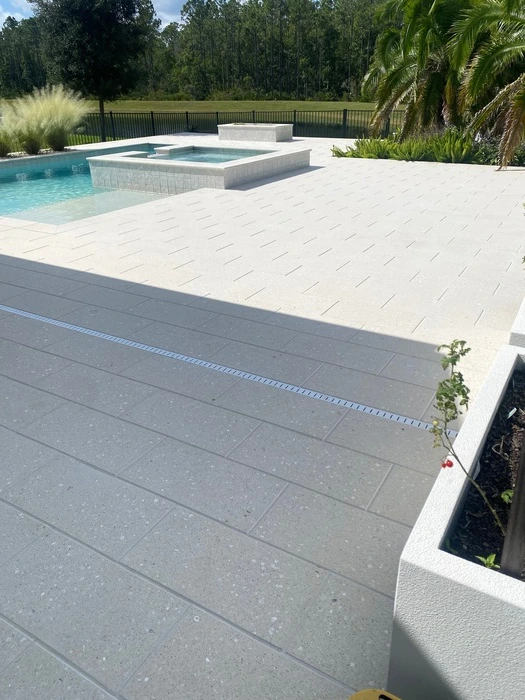
Pool surrounds combine shade, splash-out, screen enclosures and foot traffic. They are not treated as a smaller driveway. Prep, product choice and cure expectations are adjusted to the environment.
Waterfront-adjacent humidity, irrigation, established communities and large visible driveways.
Older tree-lined properties where shade, organic staining and mixed surface age can drive prep.
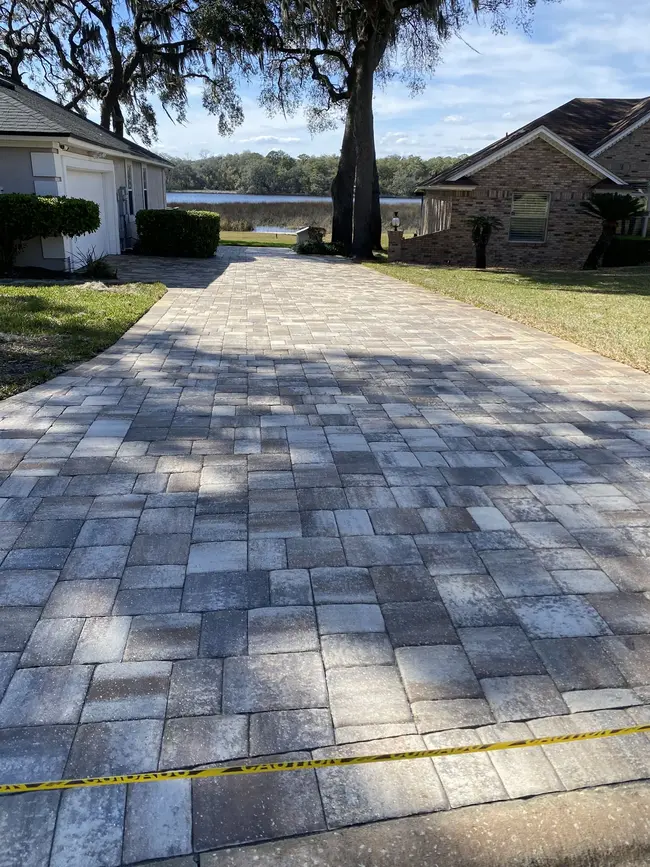
Busy community driveways, newer hardscapes, joint washout and strong daily-use patterns.
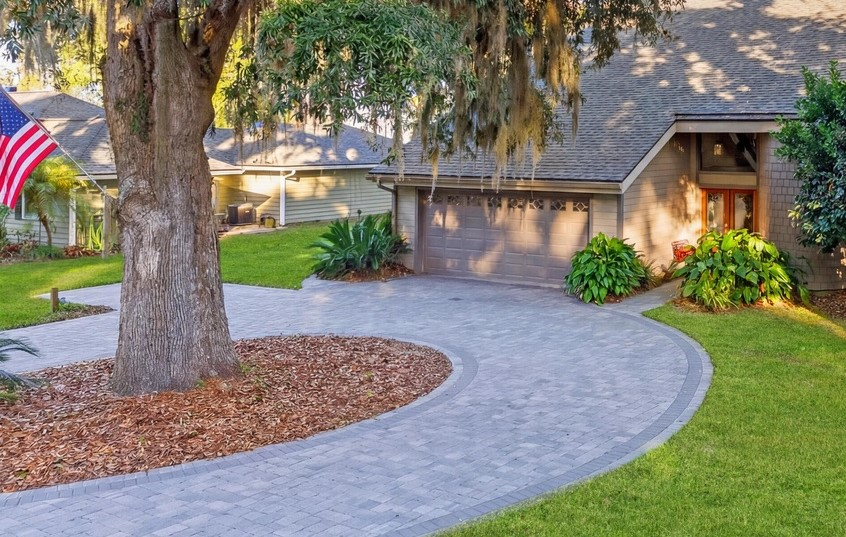
Larger properties and open exposure can create strong UV wear, drainage-driven joint loss and a different maintenance pattern than shaded Clay County neighborhoods.
HydroSeal also serves Green Cove Springs driveways, patios, walkways and pool areas. River-influenced humidity, tree cover and drainage conditions are evaluated as part of the cleaning and sealing plan.
★★★★★“HydroSeal made our paver driveway look brand new. The color came back to life, the joints were properly sanded, and the finish was smooth and professional.”
Scott M. · Google
★★★★★“Outstanding results on our driveway, porch, and flower-bed pavers. Greg was professional, communicated clearly, and provided excellent customer service.”
Jane J. · Google
★★★★★“They took their time, paid attention to every detail, and were thorough from start to finish. Our pavers look brand new and exceeded expectations.”
Sophia K. · Google
Clay County properties range from shaded established neighborhoods to newer open-sun hardscapes and larger driveways. That variation affects drying time, organic growth, joint-sand loss, stain exposure and how an existing coating should be evaluated before another sealer is applied. HydroSeal adjusts cleaning, joint restoration and sealing to the condition of the surface rather than using one county-wide formula.
Fleming Island properties can combine tree cover, irrigation and pool-deck moisture; Orange Park includes many established hardscapes; Oakleaf Plantation includes newer paver driveways and patios; and Middleburg properties can have broad, highly exposed driveway surfaces. Each needs the surface and joints checked before sealing decisions are made.
HydroSeal's core service paths include driveway paver sealing, pool deck sealing, travertine sealing, joint-sand restoration and paver resealing or stripping when an older coating has failed.
If the primary issue is organic buildup or surface contamination, cleaning may be the first step before deciding whether protection needs to be renewed.
A previously sealed surface may be a resealing candidate if the remaining coating is sound and compatible. We evaluate before placing a new system over the old one.
Low joints, loose pavers, failed coatings or problem staining need correction before final sealing if the goal is a durable, even result.
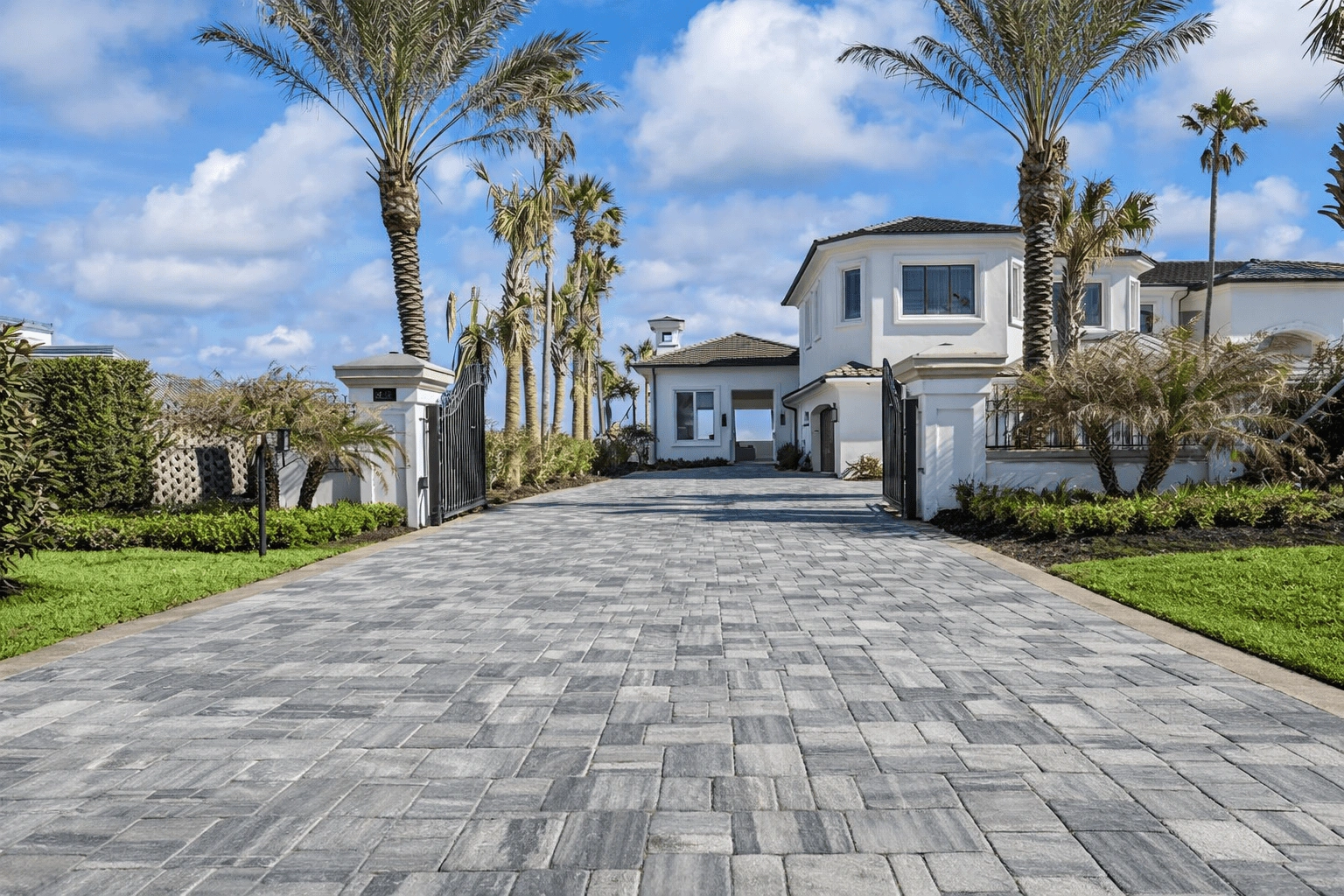
Built around tire traffic, oil exposure, runoff, joint loss and the curb-appeal impact of a large front driveway.
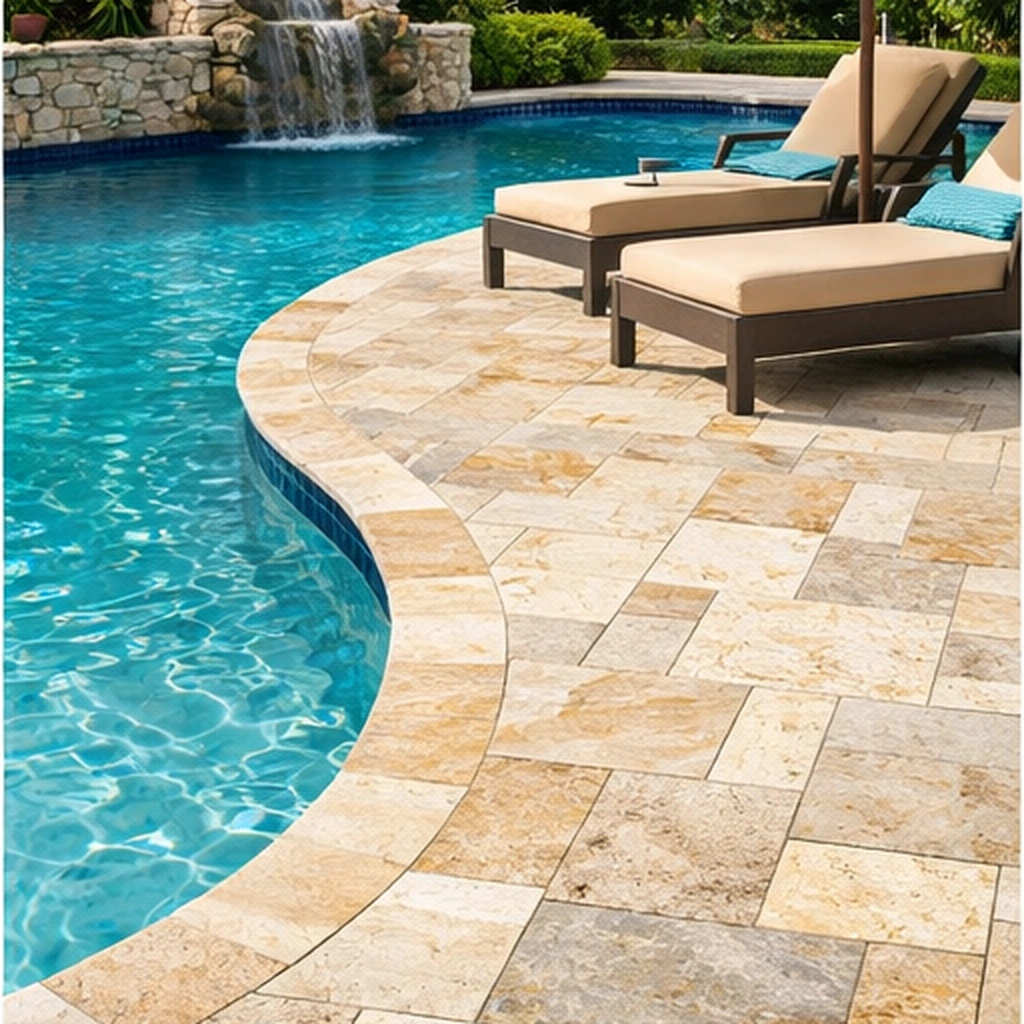
Pool areas need careful cleaning, dry-time control and an application plan that respects walking surfaces and water exposure.
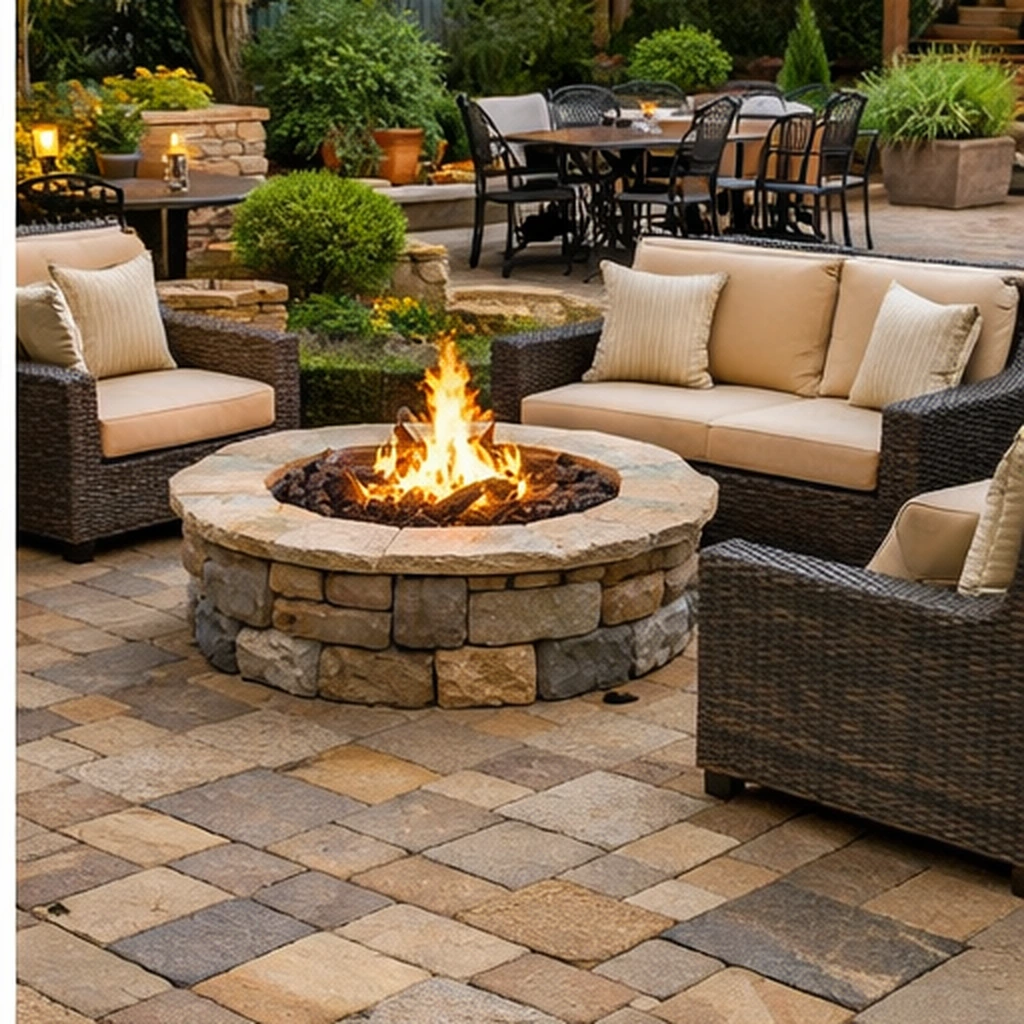
Leaf tannins, mildew, tree cover and irrigation create very different restoration needs than an open-sun driveway.

Travertine is evaluated separately from concrete pavers because porosity, moisture and finish expectations are different.