Most homeowners need light routine cleaning throughout the year
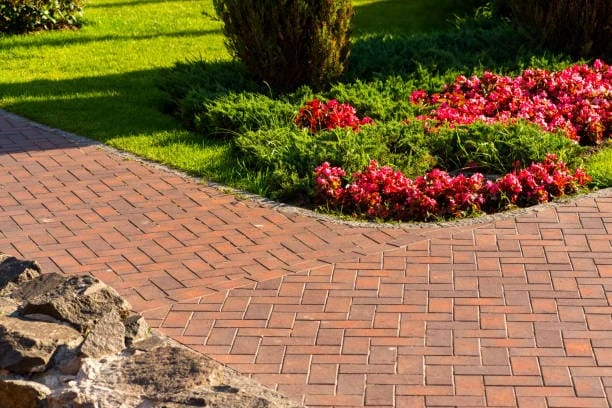
For many Jacksonville homes, blowing off debris and rinsing problem areas as needed is enough between deeper cleanings. Leaves, mulch, and potting soil should not sit on the surface for long because they feed staining and hold moisture. Waiting until the pavers look obviously dirty usually makes the cleanup harder.
Shaded, damp surfaces need more attention
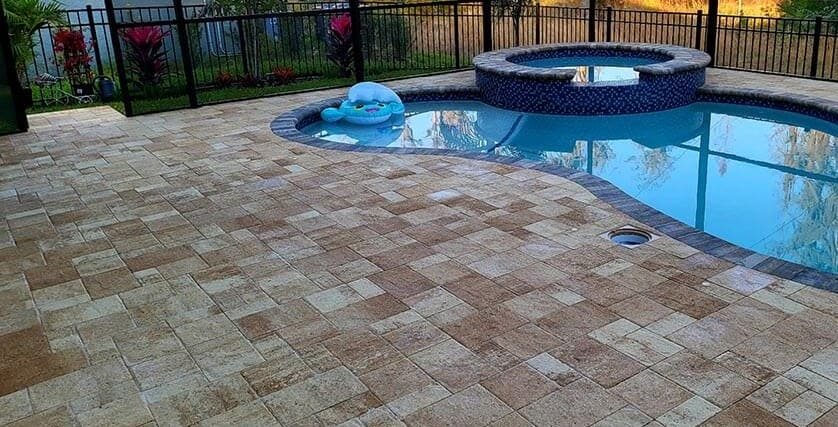
Pool decks, north-facing patios, and walkways under heavy tree cover tend to need more frequent cleaning because mildew and algae return faster. If the area feels slick after rain or the color darkens in patches, that is your cue to clean sooner. This is less about looks and more about safety and prevention.
Driveways and entertainment areas collect different types of grime
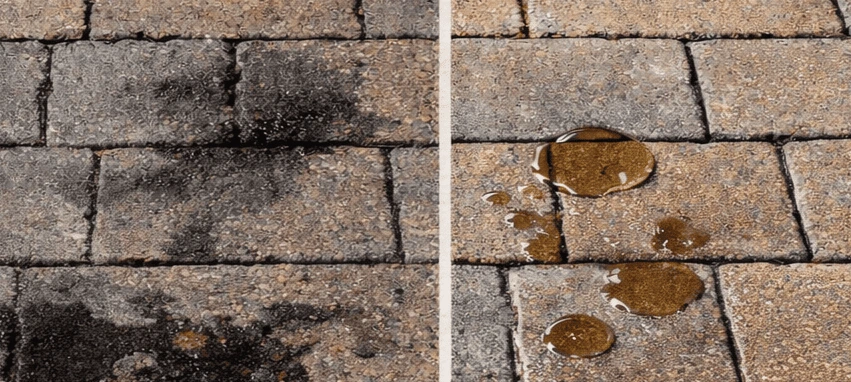
Driveways deal with tire residue, oil drips, and runoff. Patios near grills and seating areas pick up food spills, furniture marks, and planter stains. Pool areas deal with sunscreen, moisture, and organic film. The schedule should match the kind of use. That is one reason sealing is not one-size-fits-all, and neither is cleaning.
Professional cleaning is worth scheduling before major maintenance
If you are planning to reseal, re-sand, or correct stains, professional cleaning should happen first. The surface needs to be truly clean and fully dry before the next step. For homeowners trying to decide when a maintenance cycle is due, compare this article with how often to reseal pavers.
A simple rule: clean before small issues become restoration issues
The practical goal is to avoid letting buildup harden into stains, algae, or joint failure. A steady cleaning routine keeps the surface easier to maintain, helps your sealer last better, and makes problem spots easier to spot early. If mildew is your main concern, start with our algae and mildew cleaning guide.
Frequently Asked Questions
Usually yes, but they still need routine care because dirt, moisture, and organic debris can build up on top of the sealer.
For some sunny low-traffic areas, maybe. For shaded or wet surfaces, it is often not enough.
Many homeowners do well with a deeper cleaning before peak summer use or after the wetter season, depending on how the surface performs.
Aggressive cleaning can. Routine low-impact maintenance usually helps extend the life of the surface.