Quick answer
Sand loss is not always just a sand problem. Stable pavers with shallow joints may need cleaning, proper refill, compaction, and compatible stabilization. Rocking, sinking, spreading, or edge movement must be repaired before more sand is installed.
7 common causes of joint-sand loss
- Pressure washing directly into joints removes sand faster than normal weathering.
- Roof runoff, downspouts, slopes, and irrigation concentrate moving water.
- Joints were never filled deeply enough and quickly appear empty.
- Fresh sand settled after installation because it was not compacted and topped up.
- Pool splash and deck cleaning move loose material toward the water.
- Missing or failed edge restraint allows pavers and joints to spread.
- Base settlement or paver movement creates widening joints that sand alone cannot repair.
What the pattern tells you
| Pattern | Likely cause | First step |
|---|---|---|
| Sand loss in straight cleaning lines | Pressure-washing technique | Change cleaning angle and pressure |
| Washout below downspouts or slopes | Concentrated runoff | Correct water path before refilling |
| Low joints across the whole area | Shallow fill or settling | Clean, refill, compact, and top up |
| Wide joints near an outer edge | Failed edge restraint | Repair edge before restoring joints |
| Rocking or sunken pavers | Base or bedding movement | Re-level affected pavers first |
| Sand collecting in pool water | Low deck joints, splash, runoff, or cleaning | Trace the exact movement path |
Loose joints vs. structural movement
| Condition | Joint restoration may be enough | Repair is likely needed first |
|---|---|---|
| Pavers feel stable | Yes | No structural warning |
| Joints are shallow but uniform | Often | Check why they settled |
| Pavers rock or sink | No | Base or bedding repair |
| Outer rows spread | No | Edge-restraint repair |
| Runoff repeatedly cuts channels | Not until drainage is addressed | Water-management correction |
How joint sand should be restored
- Inspect paver stability, drainage, and edge restraint.
- Remove debris, weeds, loose contaminated material, and failed residue.
- Allow joints to dry as required by the chosen system.
- Install the correct graded joint material to the proper depth.
- Compact to settle the sand through the joint.
- Top up low areas and clean all sand from paver faces.
- Apply compatible stabilization when included in the selected sealing system.
HydroSeal uses joint-sand installation or restoration language because not every project uses polymeric sand. Product and sand choice depend on the surface and system.
Paver Sand Color Options
Sand color changes the appearance of every joint line. A close match can create a softer, blended finish while a contrasting sand makes the paver pattern and borders more pronounced. HydroSeal offers multiple joint-sand colors so the finished surface can complement the paver tone, home exterior and desired level of contrast.
Color should be selected after considering the pavers when they are clean and the way the sealer may change their finished appearance. If you are unsure, send a clear photo of the surface and we can recommend a starting point.
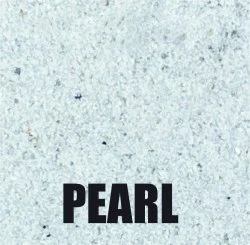 Pearl
PearlA light, clean option for pale pavers and light natural-stone palettes where low contrast is preferred.
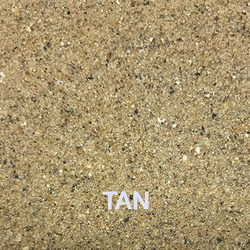 Tan
TanA warm traditional tone that pairs naturally with beige, cream, red-brown and earth-tone pavers.
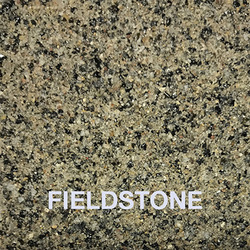 Fieldstone
A versatile neutral for mixed-color pavers where subtle variation helps the joints blend into the field.
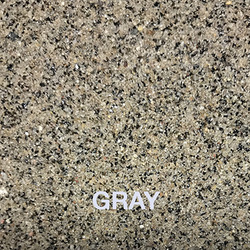 Gray
GrayA balanced cooler tone for gray pavers, modern homes and surfaces where a neutral joint line is preferred.
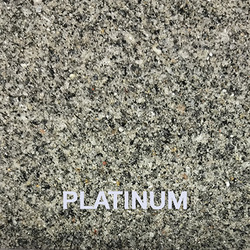 Platinum
A brighter cool-neutral option for silver, coastal and contemporary paver color palettes.
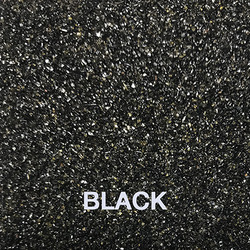 Black
BlackA high-contrast choice that emphasizes paver patterns and borders, especially against lighter surfaces.
Jacksonville and Northeast Florida conditions
Afternoon rain, irrigation, pool splash, roof runoff, driveway slopes, tropical downpours, and frequent exterior cleaning all affect joints in Jacksonville, Nocatee, Ponte Vedra, Jacksonville Beach, and surrounding communities. Water paths should be corrected whenever possible before joint restoration.
What not to do
- Do not simply cover wet or contaminated joints with new sand.
- Do not leave sand piled above joint height or across paver faces.
- Do not expect sealer to repair rocking pavers or base settlement.
- Do not pressure wash directly down into restored joints.
- Do not automatically call every joint material polymeric sand.
Common questions
Can I just sweep more sand into my paver joints?
Stable, clean, dry joints may only need a proper refill and compaction. Wet, contaminated, eroded, or structurally moving joints require diagnosis and preparation first.
Does paver sealer hold joint sand in place?
Some sealing systems stabilize the upper portion of compatible joint sand, but sealer does not repair base movement, missing edge restraint, poor drainage, or rocking pavers.
Why is paver sand getting into my pool?
Low deck joints, runoff, pool splash, aggressive cleaning, unstable coping edges, or drainage paths may carry joint sand toward the pool.
HydroSeal field guidance
HydroSeal evaluates joint-sand loss for selected properties across Jacksonville, Nocatee, Ponte Vedra, and nearby Northeast Florida communities. Structural movement, drainage correction, repair scope, and stabilization suitability require inspection.