Paver Joint-Sand Guide
What Is the Best Sand for Paver Joints in Florida?
The best joint sand depends on joint width and depth, drainage, base stability, installation method, repair needs, planned sealer, and whether the system relies on water-activated polymer or a compatible stabilizing sealer.
Quick answer
For many Florida paver-restoration projects, clean kiln-dried sand meeting an appropriate ASTM C144 grading can work well when it is properly compacted and stabilized with a compatible sealer. Polymeric sand can also perform well when the joints, weather, watering, drainage, and cure conditions meet the manufacturer’s requirements. Neither option repairs base failure, movement, or concentrated runoff.
ASTM C144 sand versus polymeric sand
| Factor | ASTM C144 kiln-dried sand | Polymeric sand |
|---|---|---|
| How it stabilizes | Compaction plus the compatible stabilization or sealing system | Water activates a polymer binder |
| Installation sensitivity | Requires dry, clean joints, correct depth, compaction, and complete surface cleanup | Adds strict sweeping, watering, temperature, rain, and cure requirements |
| Residue risk | Loose grains must be removed before sealing | Unremoved binder can leave polymeric haze |
| Repairability | Generally easier to reopen and refill during future repairs | Hardened sections can be more difficult to remove cleanly |
| Common failure | Washout where joints are shallow, loose, or exposed to concentrated runoff | Incomplete activation, cracking, washout, or haze from poor installation |
Paver Sand Color Options
Sand color changes the appearance of every joint line. A close match can create a softer, blended finish while a contrasting sand makes the paver pattern and borders more pronounced. HydroSeal offers multiple joint-sand colors so the finished surface can complement the paver tone, home exterior and desired level of contrast.
Color should be selected after considering the pavers when they are clean and the way the sealer may change their finished appearance. If you are unsure, send a clear photo of the surface and we can recommend a starting point.
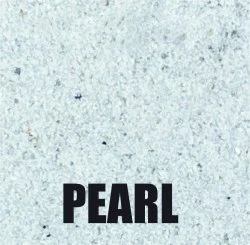 Pearl
PearlA light, clean option for pale pavers and light natural-stone palettes where low contrast is preferred.
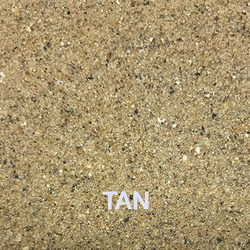 Tan
TanA warm traditional tone that pairs naturally with beige, cream, red-brown and earth-tone pavers.
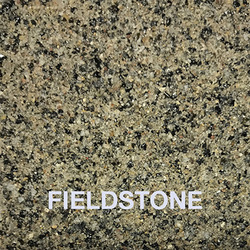 Fieldstone
A versatile neutral for mixed-color pavers where subtle variation helps the joints blend into the field.
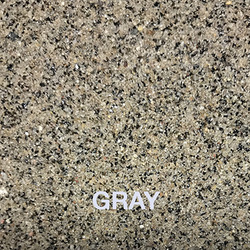 Gray
GrayA balanced cooler tone for gray pavers, modern homes and surfaces where a neutral joint line is preferred.
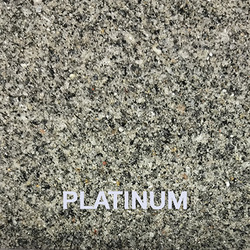 Platinum
A brighter cool-neutral option for silver, coastal and contemporary paver color palettes.
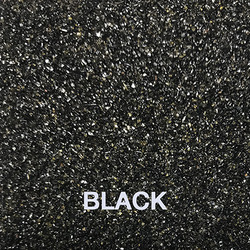 Black
BlackA high-contrast choice that emphasizes paver patterns and borders, especially against lighter surfaces.
Seven factors that matter more than the product name
- Clean joint sidewalls
- Correct joint depth
- Gradation suitable for the joint width
- Mechanical compaction and topping up
- Stable paver base and edge restraint
- Drainage and roof-runoff control
- Compatibility with the complete sealing or stabilization system
HydroSeal’s field approach
HydroSeal commonly uses kiln-dried ASTM C144 masonry sand on appropriate restoration projects where clean joints, controlled compaction, a compatible joint-stabilizing sealer, and future repairability are priorities. The final choice still depends on the existing materials, drainage, paver movement, joint dimensions, and coating history.
When polymeric sand may be appropriate
Polymeric sand may suit projects designed around independent water-activated binding when the pavers and joints are dry, the joint dimensions meet the product instructions, all residue can be removed, watering can be controlled, and the forecast provides enough dry curing time. Manufacturer instructions govern the installation.
What joint sand cannot fix
- Sunken or rocking pavers
- Failed or missing edge restraint
- Base erosion
- Drainage directing water through the joints
- Large uncontrolled gaps
- A failed coating trapping moisture or residue
Common questions
Is ASTM C144 sand the same as play sand?
No. ASTM C144 is a grading specification for masonry aggregate. The material still needs to be clean, dry, appropriately graded, and suitable for the joint system.
Does polymeric sand always last longer?
No. Longevity depends heavily on joint preparation, depth, compaction, watering, drainage, weather, and edge restraint.
Can polymeric sand be used with paver sealer?
Sometimes. Compatibility, activation, cure time, and moisture requirements from both manufacturers must be followed.
Need joint-sand restoration?
Send HydroSeal photos showing the joints, paver movement, edges, drainage, and existing coating. Sand selection should follow an evaluation of the complete paver system.