Google
★★★★★
5-STAR RATED PAVER RESTORATION.
Homeowners hire HydroSeal when faded, dirty pavers need more than a quick pressure wash.
Read customer reviews →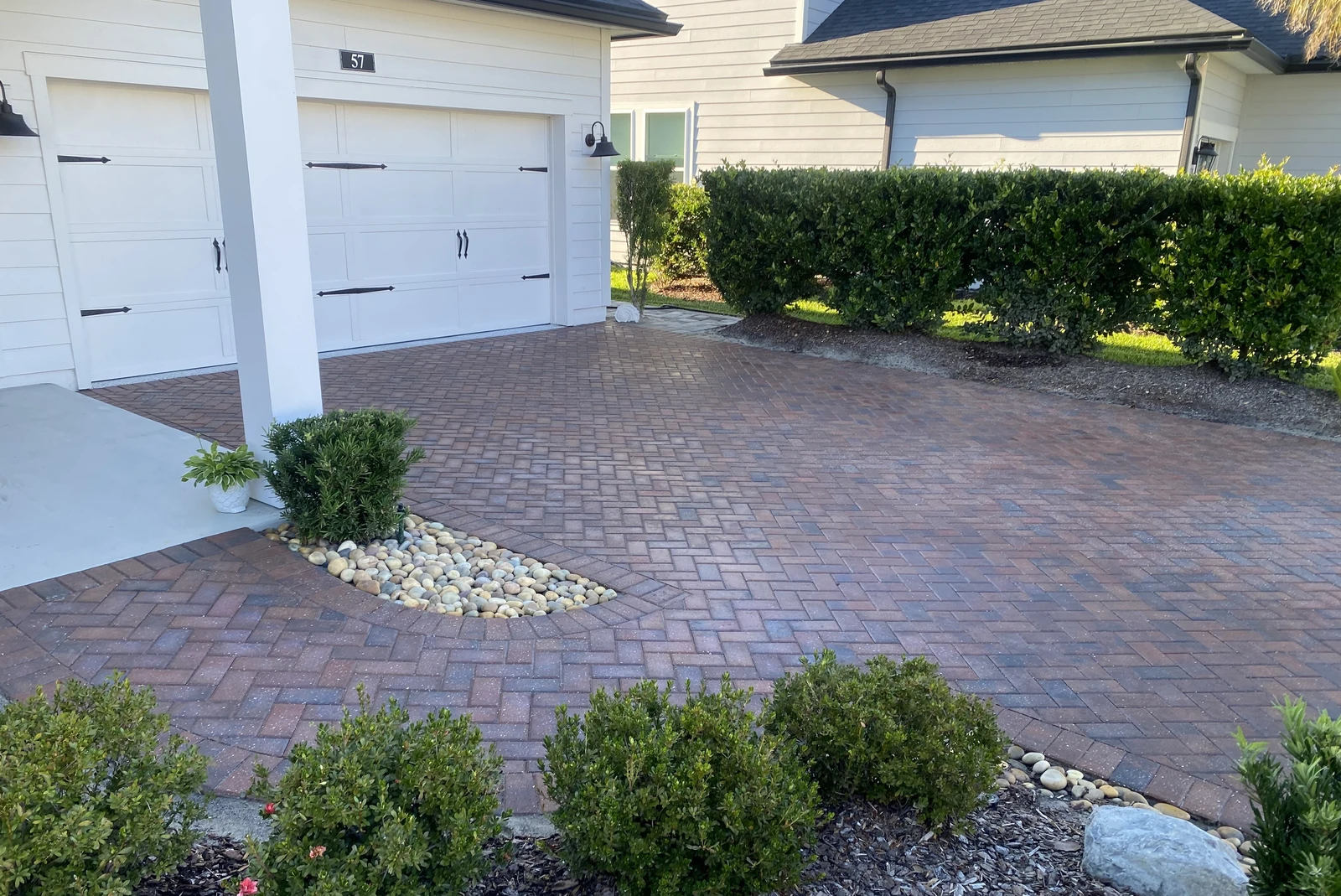
From coastal Ponte Vedra to Nocatee, Julington Creek and the western growth corridor, St. Johns County pavers age differently from neighborhood to neighborhood. HydroSeal adjusts cleaning, joint restoration and sealing around sun exposure, irrigation, humidity, pool environments and the condition of the existing surface.
Homeowners hire HydroSeal when faded, dirty pavers need more than a quick pressure wash.
Read customer reviews →Surface preparation before sealing.
ASTM C144 kiln-dried sand.
Two coats for Florida conditions.
Covered workmanship & adhesion.
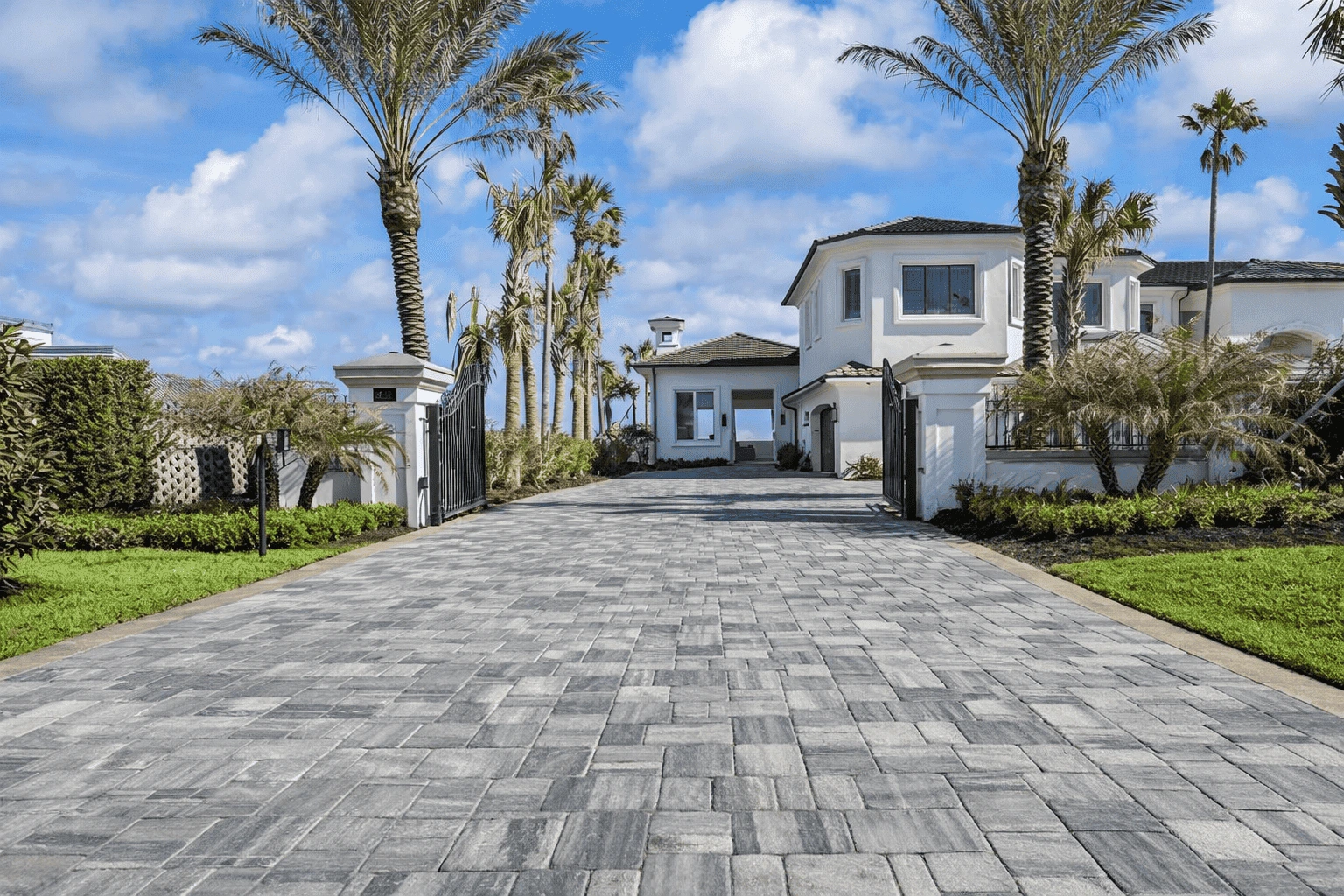
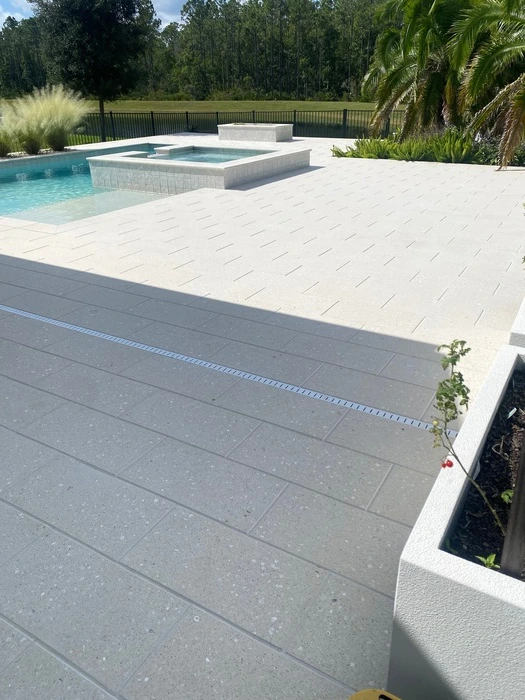
Ponte Vedra and Ponte Vedra Beach bring more humidity, salt-air exposure, strong sun and pool-deck work. Surfaces often need careful moisture evaluation before sealing.
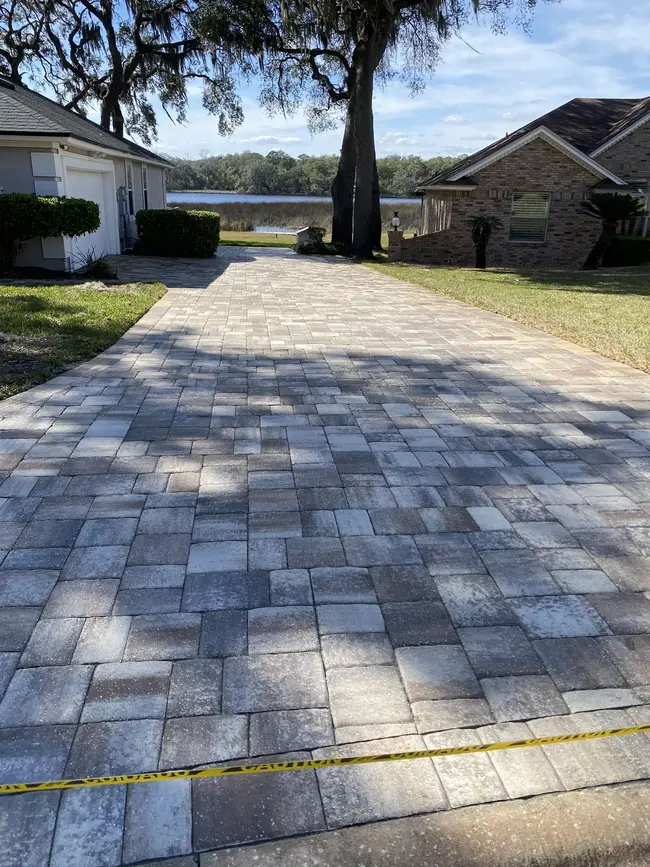
Nocatee, Durbin Crossing, Fruit Cove and Julington Creek mix newer driveways with established tree canopy, irrigation and larger outdoor-living areas.
TrailMark and surrounding growth corridors often have newer paver installations where early joint loss, fading and maintenance timing matter more than heavy coating removal.
Low, loose or contaminated joints are corrected before sealing when joint restoration is part of the scope.
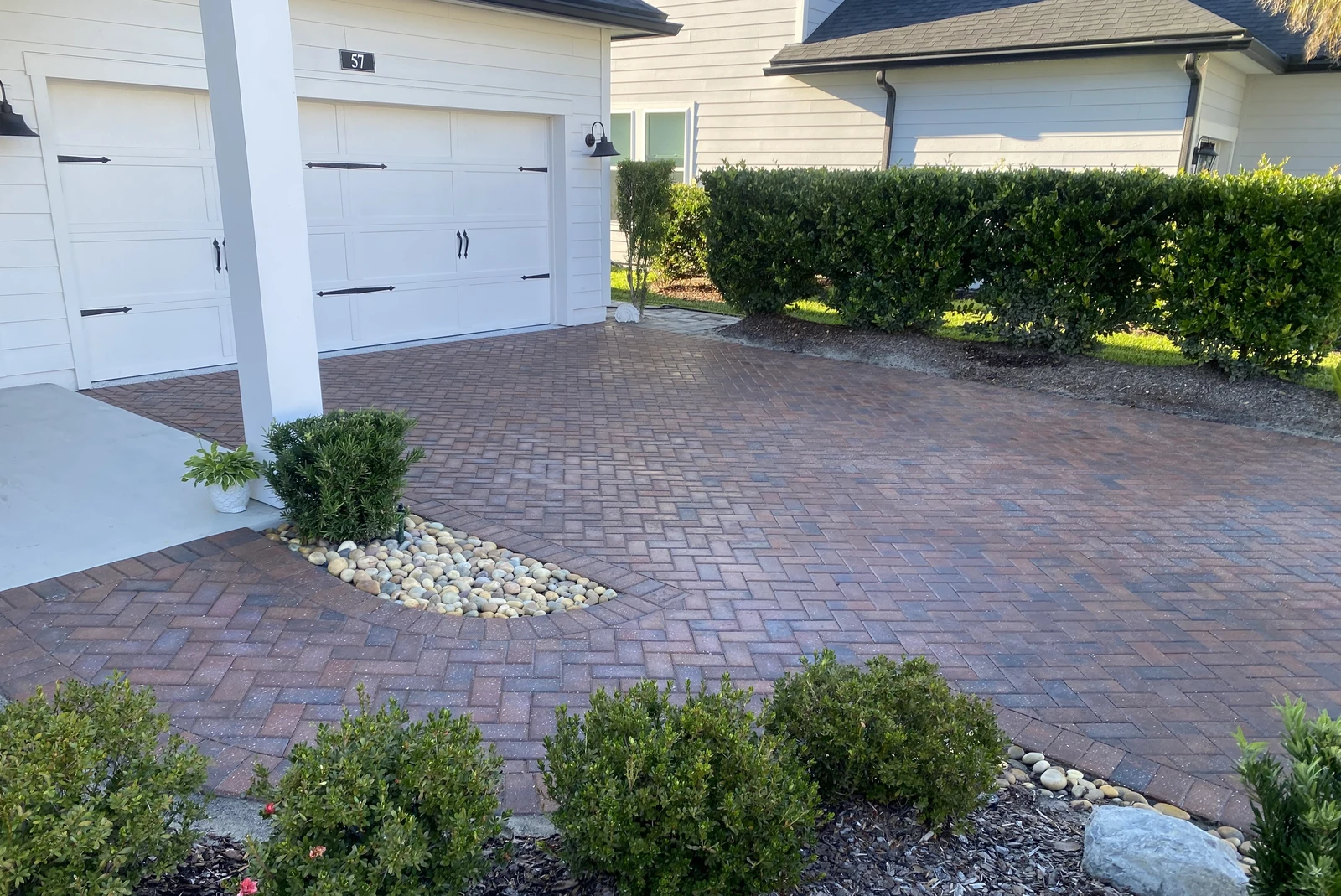
Driveways + pool areas
Pavers + travertine
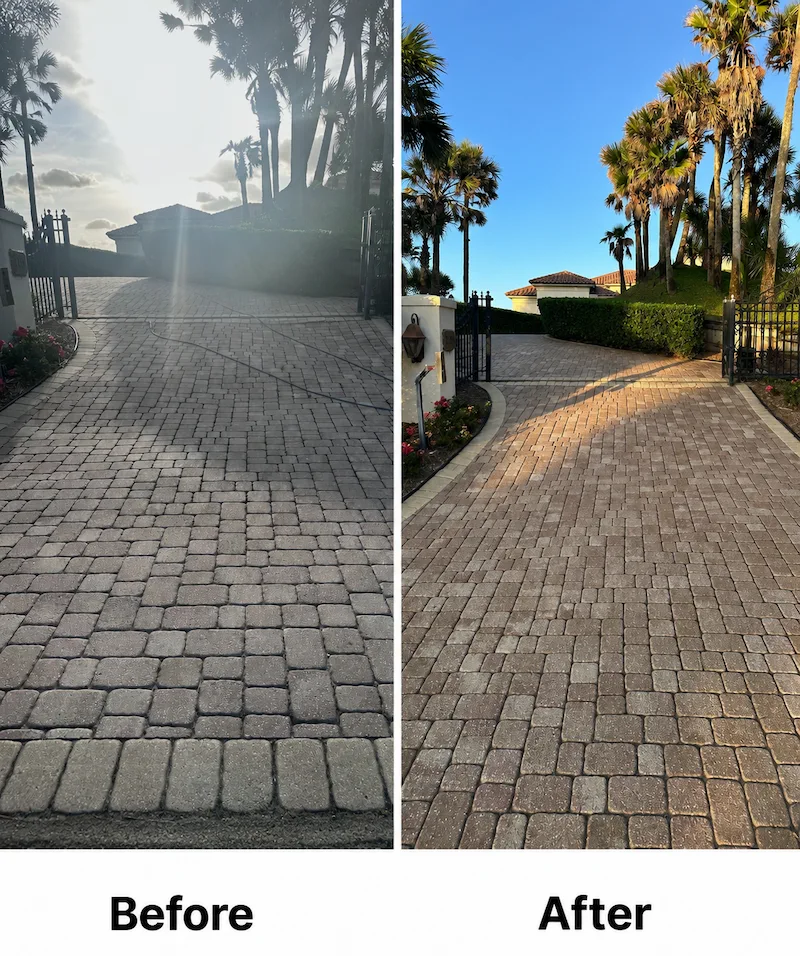
Coastal exposure
Established visibility
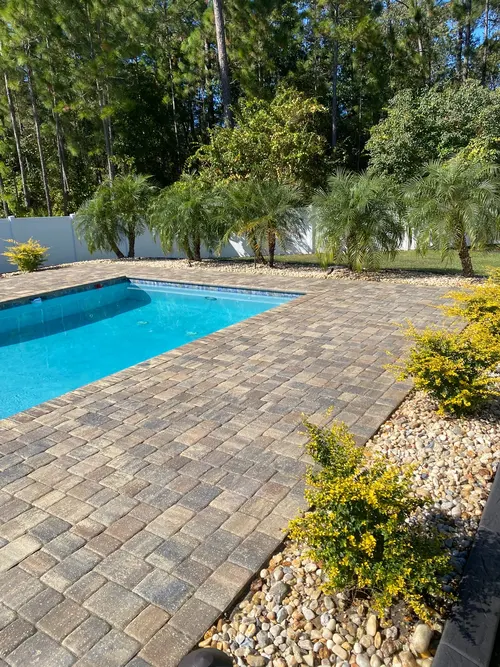
Shade + restoration
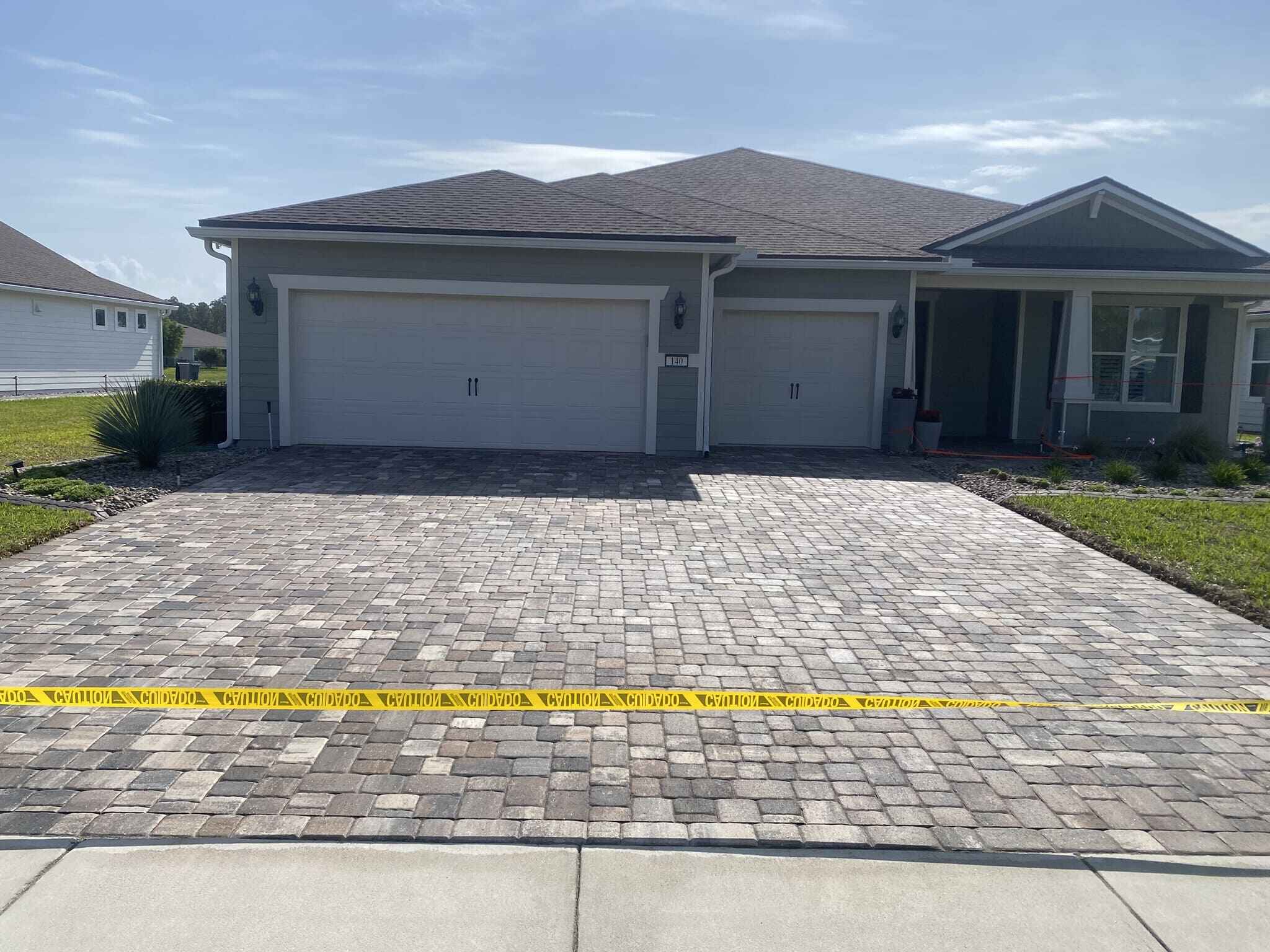
Driveways + patios
Western St. Johns
HydroSeal also serves Beachwalk, Del Webb Ponte Vedra, Marsh Landing, Murabella, Palencia, Palm Valley, RiverTown, Sawgrass, Shearwater, SilverLeaf and World Golf Village. We route those properties through the closest St. Johns County service area while evaluating the actual surface and exposure at the home.
★★★★★“HydroSeal made our paver driveway look brand new. The color came back to life, the joints were properly sanded, and the finish was smooth and professional.”
Scott M. · Google
★★★★★“Outstanding results on our driveway, porch, and flower-bed pavers. Greg was professional, communicated clearly, and provided excellent customer service.”
Jane J. · Google
★★★★★“They took their time, paid attention to every detail, and were thorough from start to finish. Our pavers look brand new and exceeded expectations.”
Sophia K. · Google
St. Johns County includes coastal communities, master-planned neighborhoods, established tree-lined areas and inland properties with very different sun, irrigation, drainage and traffic patterns. HydroSeal bases preparation on the paver surface, joint condition, existing coating and moisture conditions at the property rather than treating the entire county as one identical service area.
Properties around Nocatee, Ponte Vedra and Ponte Vedra Beach may combine large driveways, pool decks, irrigation and coastal humidity. Farther inland, Fruit Cove, Julington Creek, Durbin Crossing and TrailMark can present different combinations of shade, runoff, open sun and joint wear.
Surface type matters as much as location. Compare HydroSeal's process for driveways, pool decks, travertine and paver resealing and failed-coating restoration.
We look for UV fade, tire traffic, irrigation marks, joint loss, sloped runoff and any old sealer that may affect bonding.
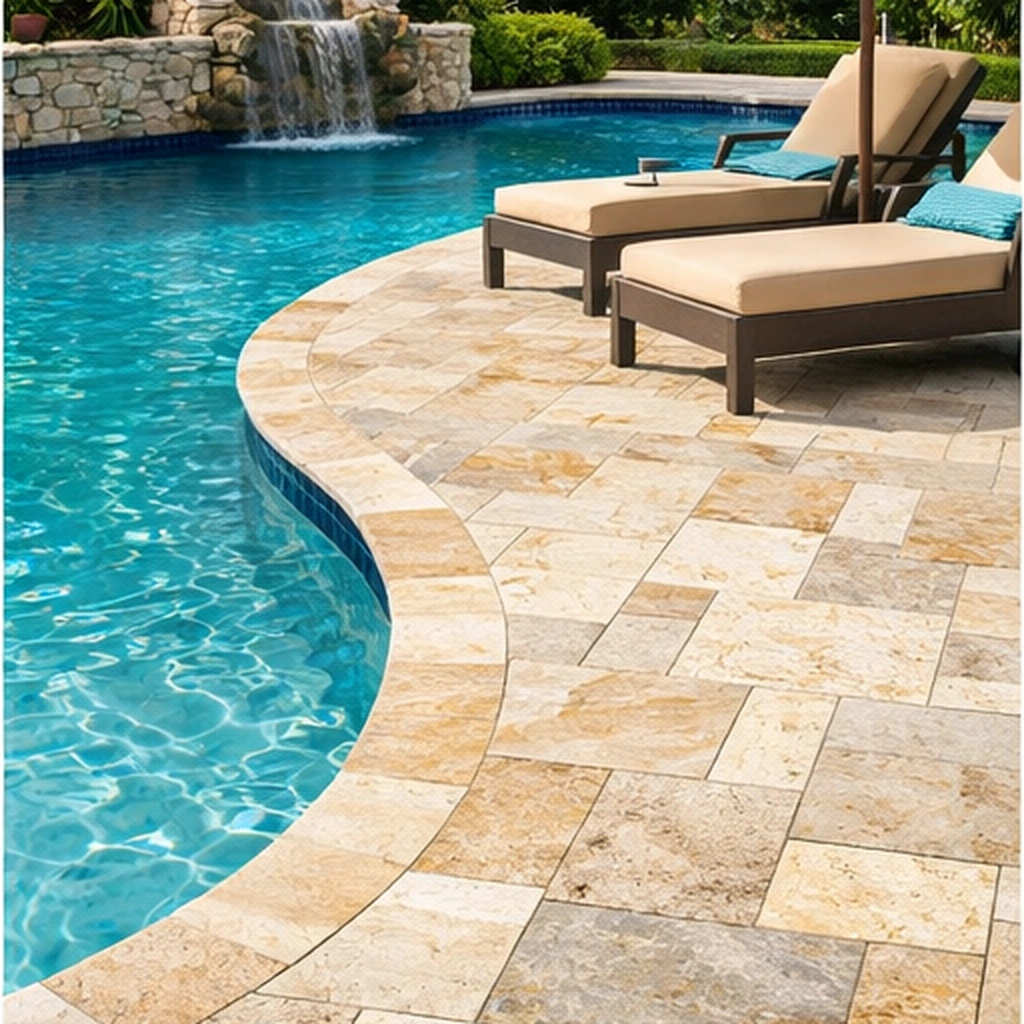
Pool surrounds need a different drying and application plan because shade, splash-out and constant moisture can change both prep and cure expectations.
Natural stone is not treated like concrete pavers. We evaluate absorption, previous products and finish goals before selecting the sealing system.
Low, loose or contaminated joints are corrected before sealing when joint restoration is part of the scope.
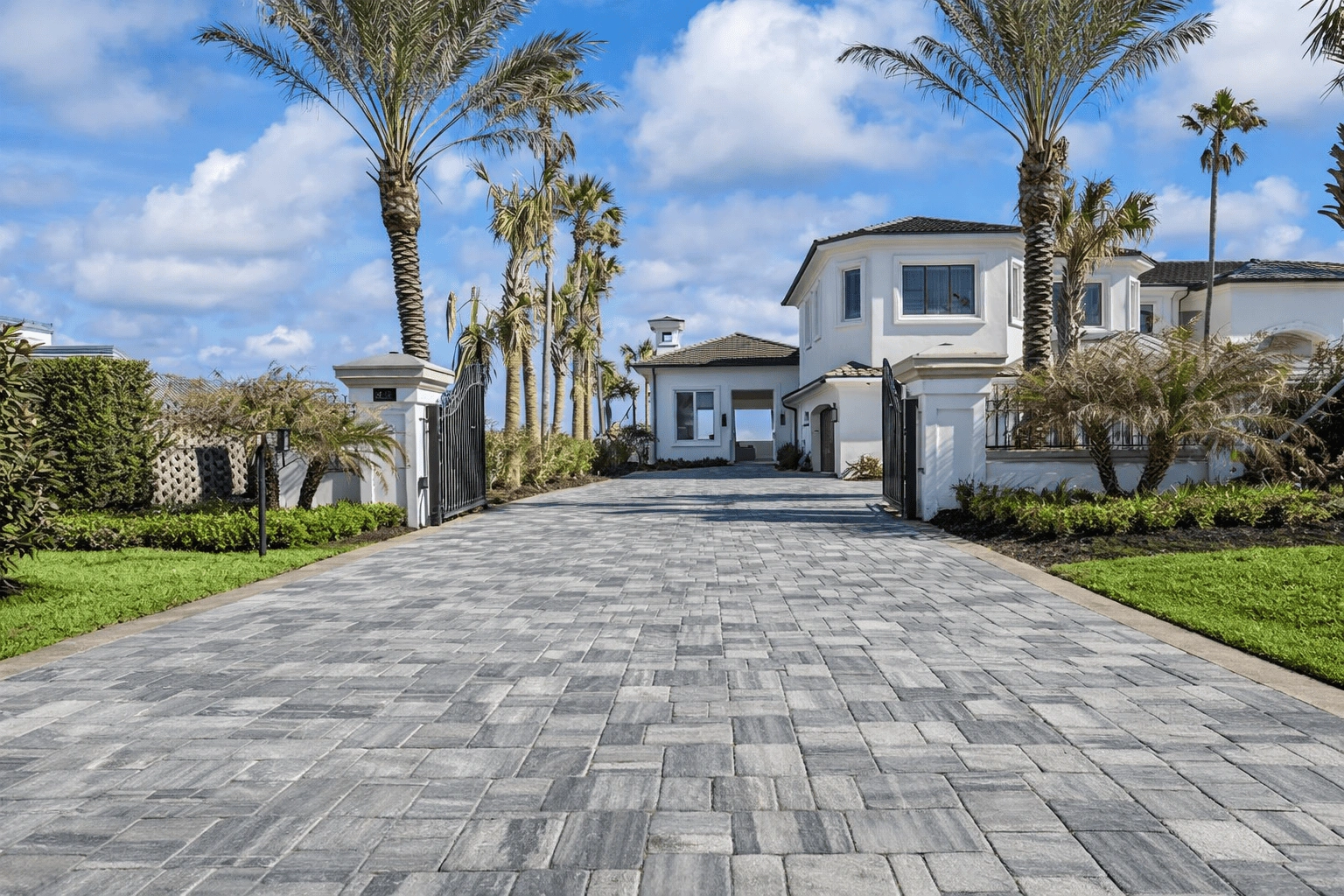
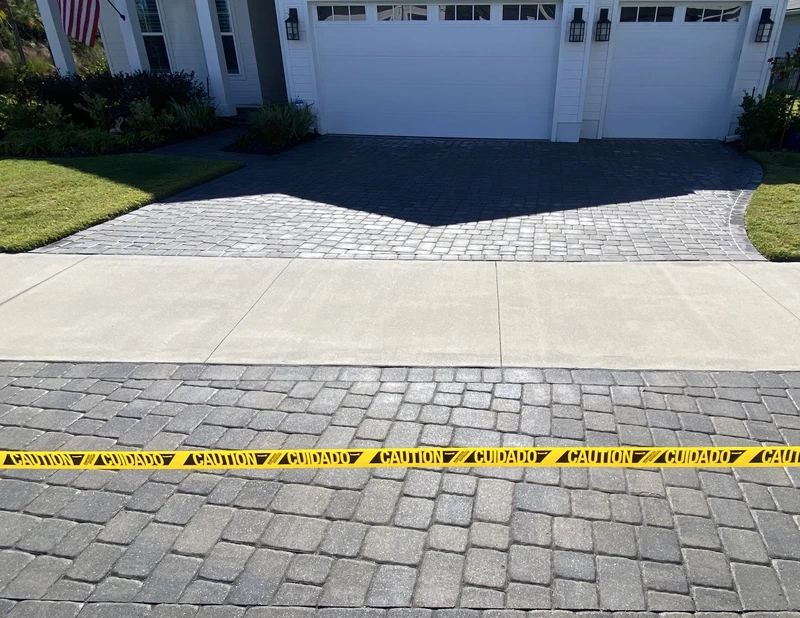
Built around tire traffic, oil exposure, runoff, joint loss and the curb-appeal impact of a large front driveway.
Pool areas need careful cleaning, dry-time control and an application plan that respects walking surfaces and water exposure.
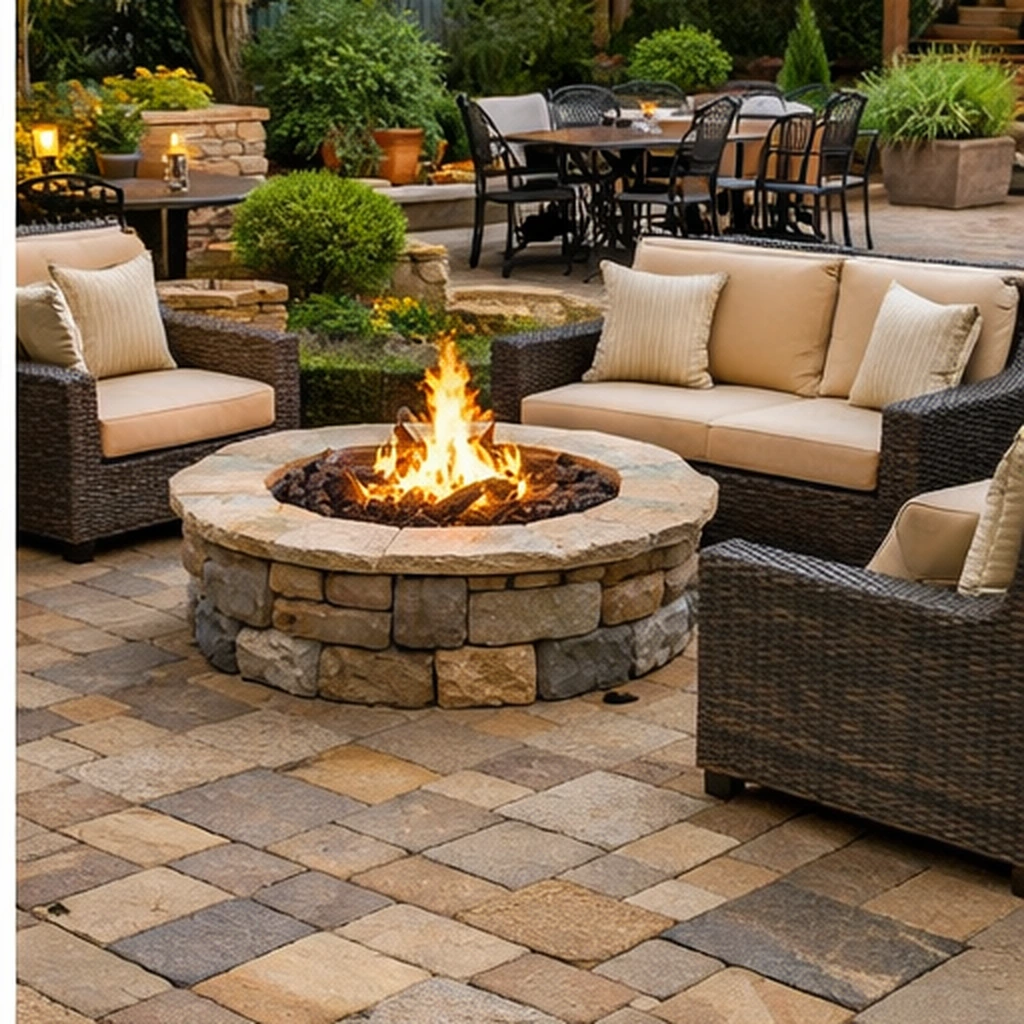
Leaf tannins, mildew, tree cover and irrigation create very different restoration needs than an open-sun driveway.

Travertine is evaluated separately from concrete pavers because porosity, moisture and finish expectations are different.
We identify whether the surface is unsealed, simply weathered, previously coated or showing a failure that needs a different restoration path.
Organic growth, irrigation staining, rust, leaf tannins and embedded grime do not all respond to the same cleaning method.
Joint sand is restored after cleaning when the scope calls for it so the surface is stabilized before the sealer is applied.
Concrete pavers and natural stone receive different product decisions. Application is controlled for even appearance and appropriate cure time.