TL;DR / Key Takeaways
- Start with the condition of your pavers, not a one-size-fits-all product choice.
- Prep quality and joint sand stability drive long-term outcomes more than shortcuts.
- Florida weather changes timing, product choice, and maintenance expectations.
What homeowners should check first
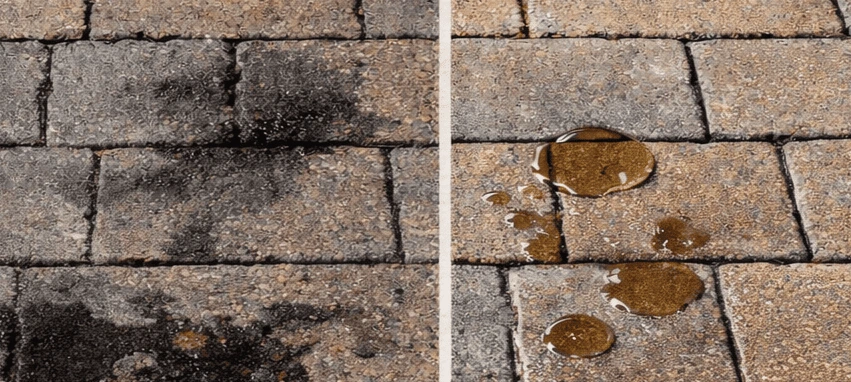
Begin with a quick inspection of stains, joint sand loss, drainage patterns, and areas that stay shaded or wet. These factors usually determine prep requirements and whether spot repairs should happen before sealing.
Common mistakes that cause expensive rework
Most avoidable failures come from rushing prep, sealing damp surfaces, skipping joint-sand correction, or using mismatched products. For surface-specific guidance, request an inspection before choosing a treatment.
How HydroSeal approaches the project
HydroSeal plans around surface type, traffic level, and weather windows so cleaning, dry time, and application sequence are handled correctly. The goal is predictable protection with a finish that matches homeowner expectations.
Next steps if you want project-specific guidance
Document your surface photos, problem areas, and timeline goals before requesting a quote. That makes it easier to compare options and avoid scope surprises.