Google
★★★★★
5-STAR RATED PAVER RESTORATION.
Homeowners choose HydroSeal when faded, worn or previously sealed pavers need more than another quick coat.
Read customer reviews →
Paver resealing in Northeast Florida
Professional resealing for previously sealed driveways, pool decks, patios and walkways with coating evaluation, deep cleaning, joint-sand restoration and a compatible sealing system.
Homeowners choose HydroSeal when faded, worn or previously sealed pavers need more than another quick coat.
Read customer reviews →Existing sealer checked before recoating.
Surface preparation before resealing.
Joint-sand restoration where needed.
Covered workmanship & adhesion.
Final pricing depends on the existing coating, surface condition, preparation, joint-sand restoration, repairs and whether stripping or corrective work is required.
Paver sealing vs. paver resealing
Paver resealing is not simply applying another coat. A previously sealed surface must be evaluated for compatibility, trapped moisture, whitening, peeling, heavy buildup, uneven wear and joint-sand loss before a new system is applied. A sound maintenance coating may be cleaned and resealed, while a failed or incompatible coating may require testing, correction or stripping.
Color loss and uneven sheen can indicate normal wear, especially on full-sun driveways and high-traffic areas.
Whitening may come from trapped moisture, coating failure, efflorescence, mineral residue or haze. Diagnosis comes before resealing.
Open or shallow joints may need cleaning and ASTM C144 kiln-dried joint-sand restoration before the surface is resealed.
Our resealing process
Paver resealing in Nocatee
Nocatee driveways, pool decks and patios can experience reclaimed-irrigation staining, intense UV exposure, summer storms, high humidity, joint-sand loss and repeated wet-dry cycles. Those conditions can fade a coating or expose weaknesses in an older application.
HydroSeal evaluates the existing sealer before recommending a maintenance recoat. We do not automatically seal over whitening, peeling, trapped moisture or an unknown coating.
Full or partial removal may be needed when an old coating is peeling, soft, heavily built up, incompatible, moisture-damaged or too unstable to support another layer. Stripping feasibility and final scope require inspection and testing.
Resealing timing
HydroSeal uses about three to four years as a practical planning range for many professionally prepared and sealed Florida surfaces. Full-sun driveways, frequent traffic, irrigation, pool chemicals, drainage issues, coastal exposure and harsh cleaning can shorten service life.
Annual inspection can be useful, but annual recoating is not automatically recommended. Recoating too frequently can create unnecessary film buildup or bury an unstable layer.
Surfaces we reseal
Each surface needs a different evaluation. Vehicle traffic affects driveways, while moisture, pool chemicals and traction matter more around pools. Travertine and natural stone require especially careful product selection.
Review our driveway sealing, pool deck sealing, patio and walkway sealing, and travertine sealing services.
Joint sand is functional, but color also changes how borders, patterns, and individual pavers read visually. HydroSeal offers multiple Trident joint-sand colors and selects joint work based on the condition of the project rather than automatically replacing every joint the same way.
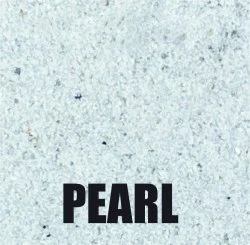
Light, low-contrast appearance for pale surfaces.
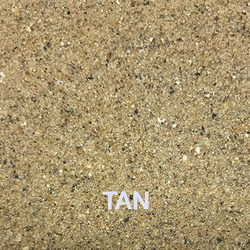
Warm tone for tan, beige, and earth-color pavers.
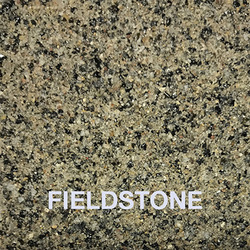
Balanced neutral tone for mixed-color pavers.
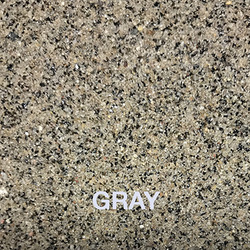
Cool neutral for gray and contemporary palettes.
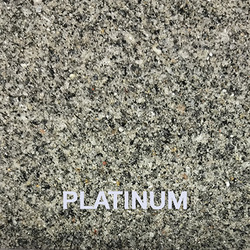
Brighter cool tone for lighter coastal palettes.
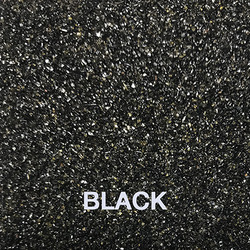
Higher contrast for selected borders and designs.
★★★★★“HydroSeal made our paver driveway look brand new. The color came back to life, the joints were properly sanded, and the finish was smooth and professional.”
Scott M. · Google
★★★★★“Outstanding results on our driveway, porch, and flower-bed pavers. Greg was professional, communicated clearly, and provided excellent customer service.”
Jane J. · Google
★★★★★“They took their time, paid attention to every detail, and were thorough from start to finish. Our pavers look brand new and exceeded expectations.”
Sophia K. · Google
Pricing depends on square footage, surface condition, joint stability, staining, access, previous coatings, and preparation requirements. Use the pricing calculator for a planning estimate or request a current project quote.
Vehicle return commonly requires about 48–72 hours, but actual cure timing depends on the sealer, temperature, humidity, shade, surface condition, and weather. Follow the cure guidance provided for the specific project.
When joint-sand installation or restoration is needed, it is included in the project scope. The amount of joint work depends on existing joint depth, washout, stability, cleaning requirements, and surface condition.
Not always. White haze, peeling, incompatible coatings, trapped moisture, or unstable existing sealer can require additional evaluation or stripping before a new coating is appropriate.
No. Professional cleaning and targeted treatment can improve many stains, but complete removal is not guaranteed. Some discoloration can be permanent or require separate restoration work.
Those conditions should be evaluated before sealing. A protective coating does not repair an unstable base or correct drainage problems by itself.
If you are searching for paver restoration near me or paver sealing near me, HydroSeal serves Jacksonville, St. Johns County, Ponte Vedra, Nocatee, Orange Park, Fleming Island, and nearby Northeast Florida communities. We inspect whitening, peeling, fading, joint-sand loss, moisture, drainage, and the compatibility of the existing coating before recommending cleaning, resealing, stripping, or restoration.
Send the address, approximate size, and a few photos. We’ll help determine whether the project needs routine cleaning and sealing, joint restoration, repairs, or a more involved resealing process.