Paver Sand • Resanding • Joint Stabilization
Paver Joint Sand Options & Resanding
Paver sand does more than change the color of the joints. Proper joint material, adequate joint fill, dry installation conditions and correct stabilization all affect how a paver surface looks and performs. HydroSeal restores joint sand as part of professional paver cleaning, sealing and resealing projects throughout Jacksonville, St. Johns County and surrounding Northeast Florida communities.
Why paver joint sand matters
Pavers are individual units. The material between those units is part of the system that helps maintain consistent joints and supports the interlock between neighboring pavers. When joint sand is severely depleted, the surface can look unfinished and the open joints become more vulnerable to additional erosion, debris, weeds and insect activity.
A good restoration does not treat sand as an afterthought. The joints should be evaluated after cleaning, restored where material has been lost, and prepared correctly before the sealing process is completed.
- Restores visibly low or empty paver joints
- Creates cleaner, more consistent joint lines
- Replaces material lost to rain, traffic and cleaning
- Helps reduce open spaces where weeds and insects can become established
- Provides properly filled joints for compatible sealer stabilization
What is paver resanding?
Paver resanding is the process of replacing joint material that has washed out, settled too low, become contaminated or been removed during cleaning. It is often performed after the pavers have been professionally cleaned and before the final sealing stage.
Resanding is different from simply sweeping a light layer across the top. The goal is to refill the actual joints so the sand settles into the spaces between the pavers rather than remaining as loose material on the surface.
Signs Your Pavers May Need Resanding
Joint loss is usually visible before homeowners think of it as a service problem. If you see exposed joint depth, recurring piles of loose sand, or joints that look dramatically lower than the surrounding pavers, the surface should be evaluated before another coat of sealer is applied.
- Low or empty joints: visible gaps extend down between the pavers.
- Sand washing downhill: loose material repeatedly collects near driveway edges or drains.
- Sand loss after pressure washing: aggressive cleaning has opened the joints.
- Recurring weeds: open joints collect organic debris and provide space for growth.
- Ant activity: loose or open joints may provide easier access for nesting.
- Uneven joint appearance: some areas remain full while others are deeply depleted.
- Loose pavers: movement can indicate a problem that needs evaluation beyond surface sand alone.
- Preparing to reseal: depleted joints should be addressed before the new sealing system is completed.
How HydroSeal Resands Pavers
The exact process changes with the surface, existing coating and joint condition, but professional resanding generally follows a logical sequence. The important point is that cleaning, joint restoration and sealing should work together rather than being treated as unrelated steps.
Inspect the joints
We look for washout, contamination, movement, weeds, loose material and areas that may need repair rather than sand alone.
Clean the pavers
Organic buildup, dirt and deteriorated material are removed with a process appropriate for the paver surface and existing condition.
Allow proper drying
Dry joints matter. Installing dry joint sand into saturated joints can interfere with how material settles and with the later sealing stage.
Install joint sand
Appropriate sand is distributed across the surface and worked into the joints instead of being left as a shallow top dressing.
Settle and refill
Where the project requires it, material is allowed to settle into the joint profile and additional sand is added to restore consistent fill.
Clean and stabilize
Excess sand is removed from the paver faces before the specified compatible sealer is applied and the upper joints are stabilized.
What Is the Best Sand for Paver Joints?
There is no single bag of sand that is automatically right for every paver surface. Joint width, paver type, existing installation, drainage, old materials and the sealing system all matter. HydroSeal commonly uses properly graded kiln-dried ASTM C144 joint sand where appropriate for our restoration process because dry, properly graded material can work into cleaned paver joints more predictably.
| Joint material | What it is | Where it fits | HydroSeal guidance |
|---|---|---|---|
| ASTM C144 masonry / concrete sand | Properly graded natural or manufactured masonry sand meeting a recognized particle-grading specification. | Traditional segmental paver joints where the material and sealing system are compatible. | Commonly used by HydroSeal for professional resanding where appropriate. |
| Kiln-dried joint sand | Joint material dried to remove moisture before installation. | Clean, dry joints that need fresh material worked into the joint profile. | Dry material is useful when joint filling is followed by a compatible sealing process. |
| Polymeric sand | Sand blended with binders that are activated according to the manufacturer's installation process. | Systems specifically designed and prepared for polymeric installation. | It is a different joint system, not simply a premium substitute for every sealing project. |
| Play sand / very fine general-purpose sand | Material sold for uses other than professional paver-joint restoration. | Not automatically appropriate for segmental paver joints. | We prefer material selected for joint performance rather than using general-purpose sand by default. |
| Very coarse sand | Larger particles that may bridge narrow joints instead of settling deeply. | Application depends heavily on joint width and paver design. | Joint material should match the actual joint profile and restoration method. |
For a deeper comparison, read What Is the Best Sand for Paver Joints in Florida? ASTM C144 vs. Polymeric Sand.
How Deep Should Paver Sand Be?
Homeowners often ask how high joint sand should sit. The useful answer is not a universal fraction of an inch because paver profiles and joint designs vary. The joint should be substantially filled through its usable depth without leaving loose sand coating the paver face or piled excessively over the top edges.
A shallow dusting may look filled immediately after sweeping but can disappear quickly because very little material was actually installed into the joint. Proper resanding is about restoring the joint volume, not coloring the surface with sand.
Polymeric Sand vs. Regular Joint Sand
Polymeric sand contains binders and is installed as a system that generally requires controlled placement, cleanup and activation. Traditional joint sand relies on suitable grading, proper joint filling and the specific restoration method being used.
Neither material can fix a failed base, severely sunken pavers or major structural movement. The right question is not “which sand sounds strongest?” It is “which joint system is compatible with this paver surface and the work being performed?”
HydroSeal's standard restoration approach uses kiln-dried ASTM C144 joint sand where appropriate and relies on the compatible sealing process to stabilize the upper joint zone.
Does Paver Sealer Hold Sand in Place?
Sealer can help stabilize the upper portion of correctly restored joints, but that does not mean sealer turns the entire joint into a solid block. A good sealing system works with proper surface preparation and adequate joint fill. It is not a substitute for either.
Sealer can help
- Stabilize the upper joint area when the system is designed for it
- Reduce loose surface sand after the project is complete
- Protect the paver surface while joint restoration is completed as part of the same process
Sealer cannot
- Rebuild a washed-out or failed paver base
- Straighten severely shifted or sunken pavers
- Replace missing joint volume that was never resanded
- Guarantee that weeds, ants or erosion will never return
- Correct improper drainage around the hardscape
Why Does Paver Sand Wash Out?
Joint sand is exposed to weather, water flow, cleaning and traffic. Over time, some loss is normal, but rapid or repeated washout usually points to conditions worth investigating.
- Heavy Northeast Florida rainfall and concentrated runoff
- Irrigation repeatedly spraying across the paver joints
- Pressure washing too closely or at an aggressive angle
- Very low existing joint fill
- Loose material that was never adequately settled into the joints
- Vehicle traffic, edge movement or drainage patterns
- Older sealing systems that no longer provide useful joint stabilization
See our guide Why Is Sand Coming Out of My Pavers? for a deeper diagnosis.
Weeds and Ants Between Pavers
Open joints make it easier for windblown organic material to accumulate and create space where weeds can establish. Ants may also take advantage of loose or open joint conditions. Restoring joint sand helps close those voids, but resanding should not be sold as a permanent pesticide or weed-proofing treatment.
Long-term performance still depends on drainage, surrounding landscaping, maintenance, joint condition and the underlying paver installation.
Paver Sand Color Options
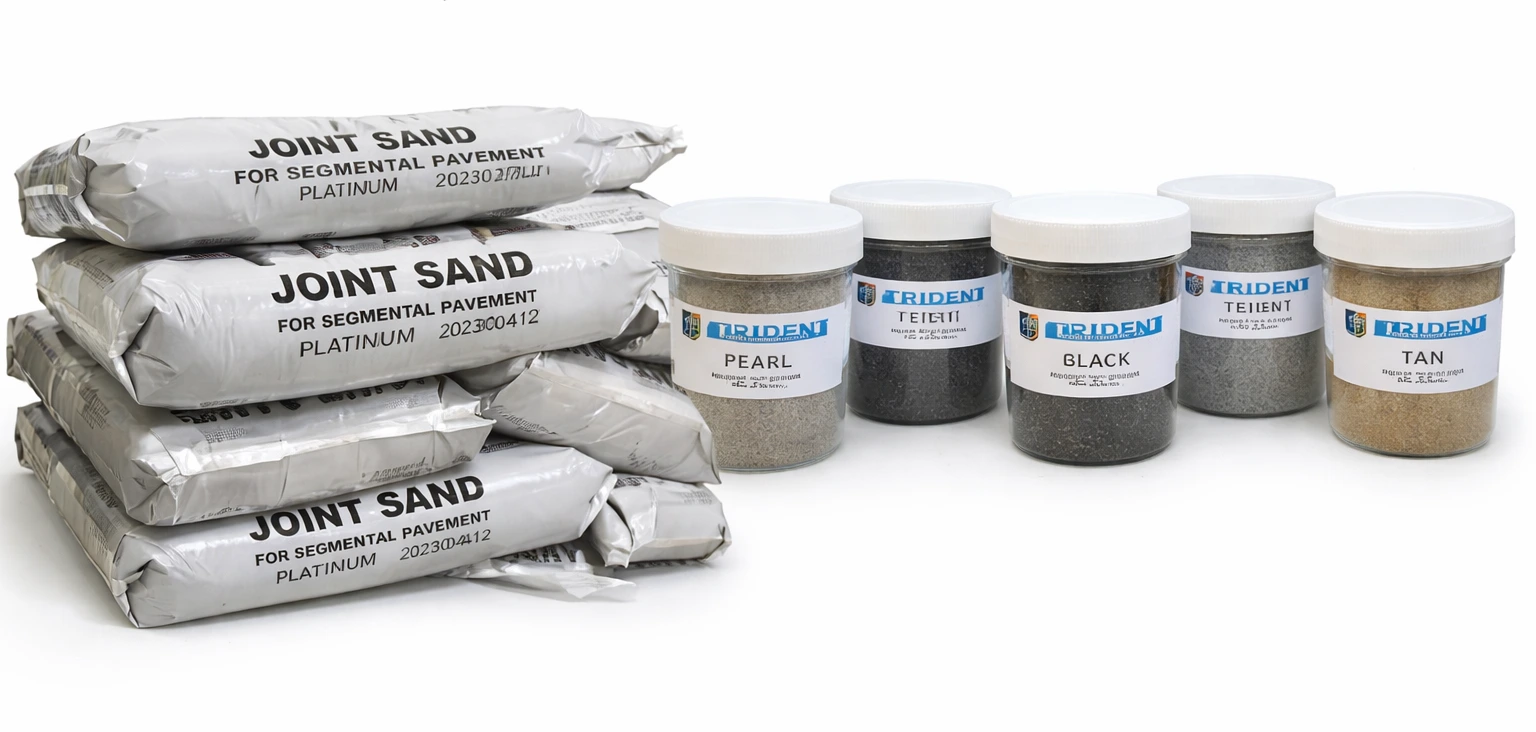
Sand color changes the appearance of every joint line. A close match can create a softer, blended finish while a contrasting sand makes the paver pattern and borders more pronounced. HydroSeal offers multiple joint-sand colors so the finished surface can complement the paver tone, home exterior and desired level of contrast.
Color should be selected after considering the pavers when they are clean and the way the sealer may change their finished appearance. If you are unsure, send a clear photo of the surface and we can recommend a starting point.
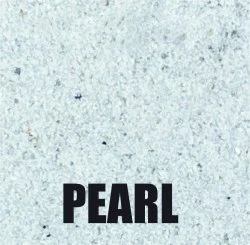
A light, clean option for pale pavers and light natural-stone palettes where low contrast is preferred.
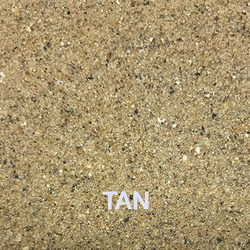
A warm traditional tone that pairs naturally with beige, cream, red-brown and earth-tone pavers.
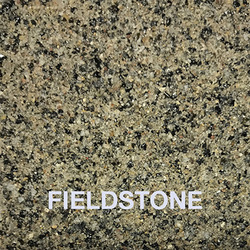
A versatile neutral for mixed-color pavers where subtle variation helps the joints blend into the field.
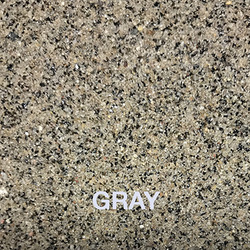
A balanced cooler tone for gray pavers, modern homes and surfaces where a neutral joint line is preferred.
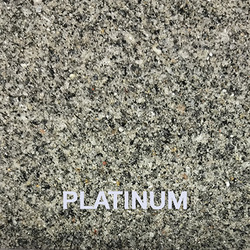
A brighter cool-neutral option for silver, coastal and contemporary paver color palettes.
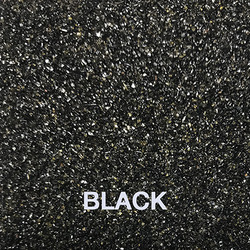
A high-contrast choice that emphasizes paver patterns and borders, especially against lighter surfaces.
How to Choose a Paver Sand Color
Match for a blended finish
Choose a sand close to the dominant paver tone when you want the joints to visually recede and the paver field to read as one surface.
Contrast to emphasize the pattern
Darker or lighter joint sand can make individual paver shapes, borders and laying patterns more visible.
Consider the sealed appearance
Some sealers deepen or enrich the paver color. Choose joint sand with the finished surface in mind rather than judging only dusty, uncleaned pavers.
Can You Change Sand Color When Resealing?
Often, yes. A resealing project can be an opportunity to correct depleted joints and select a different compatible sand color. The feasibility depends on how much old material remains, the existing sealer condition and whether the surface requires routine cleaning, more aggressive preparation or stripping.
If the existing coating is cloudy, peeling or incompatible with the planned sealer, sand selection should be made as part of the larger restoration plan—not as an isolated cosmetic change.
For previously sealed surfaces, start with our Paver Resealing guide.
Paver Sand & Resanding FAQ
What is the best sand for paver joints?
The correct material depends on the paver system, joint width, existing condition and restoration method. HydroSeal commonly uses properly graded kiln-dried ASTM C144 joint sand where appropriate for our cleaning, resanding and sealing process.
How do I know if my pavers need to be resanded?
Look for low or empty joints, repeated sand washout, sand collecting at edges, weeds, ant activity, uneven joint lines or major joint loss after pressure washing. These are signs the joints should be evaluated before resealing.
Should pavers be resanded before sealing?
When joints are depleted, yes. The missing joint material should be restored before the sealing system is completed. Sealer should not be used as a substitute for adequate joint fill.
Can pressure washing remove paver sand?
Yes. Cleaning too closely, using excessive pressure or directing the spray aggressively into the joints can remove substantial sand. Professional paver cleaning should account for joint condition and include resanding when required.
Can I put new sand over old paver sand?
Sometimes existing material can remain if it is clean, stable and compatible, but simply covering contaminated or severely depleted joints with a shallow layer is not a proper restoration. The existing condition should be evaluated first.
How often do pavers need to be resanded?
There is no fixed calendar interval. Rainfall, irrigation, pressure washing, traffic, drainage and joint stabilization all affect sand loss. Resanding is best driven by actual joint condition.
Does sealing keep paver sand from washing out?
A compatible sealer can help stabilize the upper joint area, but it cannot fix a failed base, missing joint volume, severe movement or poor drainage. Proper preparation still comes first.
Will new sand stop weeds between pavers?
Restoring open joints reduces voids where debris and growth can accumulate, but no responsible contractor should promise that joint sand permanently eliminates every weed. Ongoing conditions and maintenance still matter.
Why are ants coming through my pavers?
Loose and open joints can make paver areas more accessible for nesting. Restoring the joints can improve the physical condition of the surface, but paver resanding is not a pest-control treatment.
What color sand should I use between my pavers?
Choose a close match for a blended appearance or a contrasting tone to emphasize the paver pattern. Tan and Fieldstone work well with many warm palettes, while Gray and Platinum suit cooler tones. Pearl is lighter and Black produces stronger contrast.
Is gray or tan paver sand better?
Neither is universally better. Gray generally complements cooler and contemporary pavers; tan often works better with warm, earth-tone and traditional pavers. The best choice depends on the surface and desired contrast.
Can the paver sand color be changed when resealing?
Often it can. When joints are cleaned and restored during a resealing project, a different compatible color can usually be considered based on the remaining old material and overall surface condition.
Jacksonville & St. Johns County
Paver Resanding, Joint Restoration & Sealing
HydroSeal provides professional paver cleaning, joint sand replacement, resanding and joint stabilization as part of paver sealing and resealing projects for driveways, patios, walkways and pool decks. If your joints are washing out, sitting low or need a better color match, send photos of the pavers and joints for an initial recommendation.