Google
★★★★★
5-STAR RATED PAVER RESTORATION.
Homeowners hire HydroSeal when faded, dirty pavers need more than a quick pressure wash.
Read customer reviews →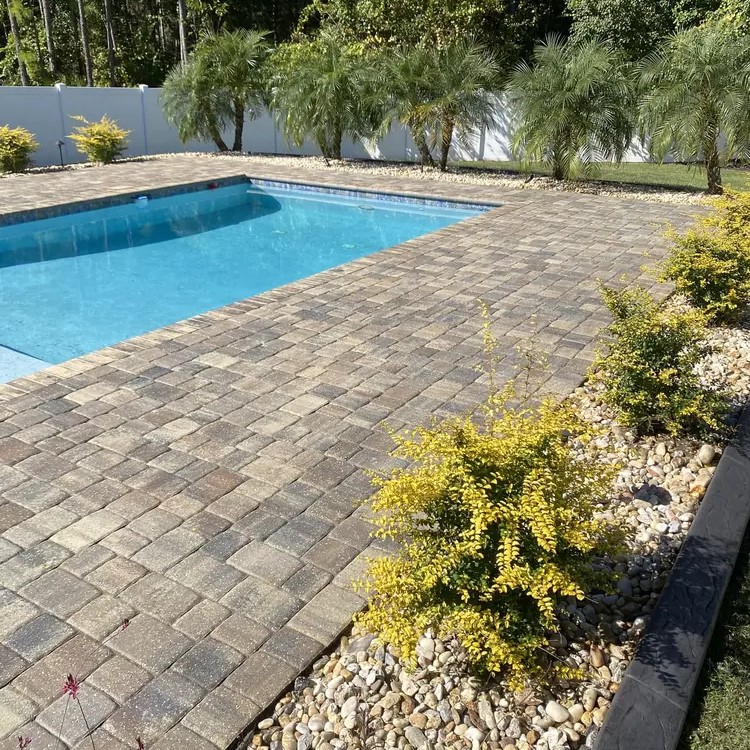
Jacksonville Beach, Neptune Beach and Atlantic Beach share the coast, but not every hardscape ages the same way. Full-sun driveways, shaded patios, pool decks behind screen enclosures and older beach-area pavers each need a different prep decision before sealing.
Homeowners hire HydroSeal when faded, dirty pavers need more than a quick pressure wash.
Read customer reviews →Surface preparation before sealing.
ASTM C144 kiln-dried sand.
Two coats for Florida conditions.
Covered workmanship & adhesion.
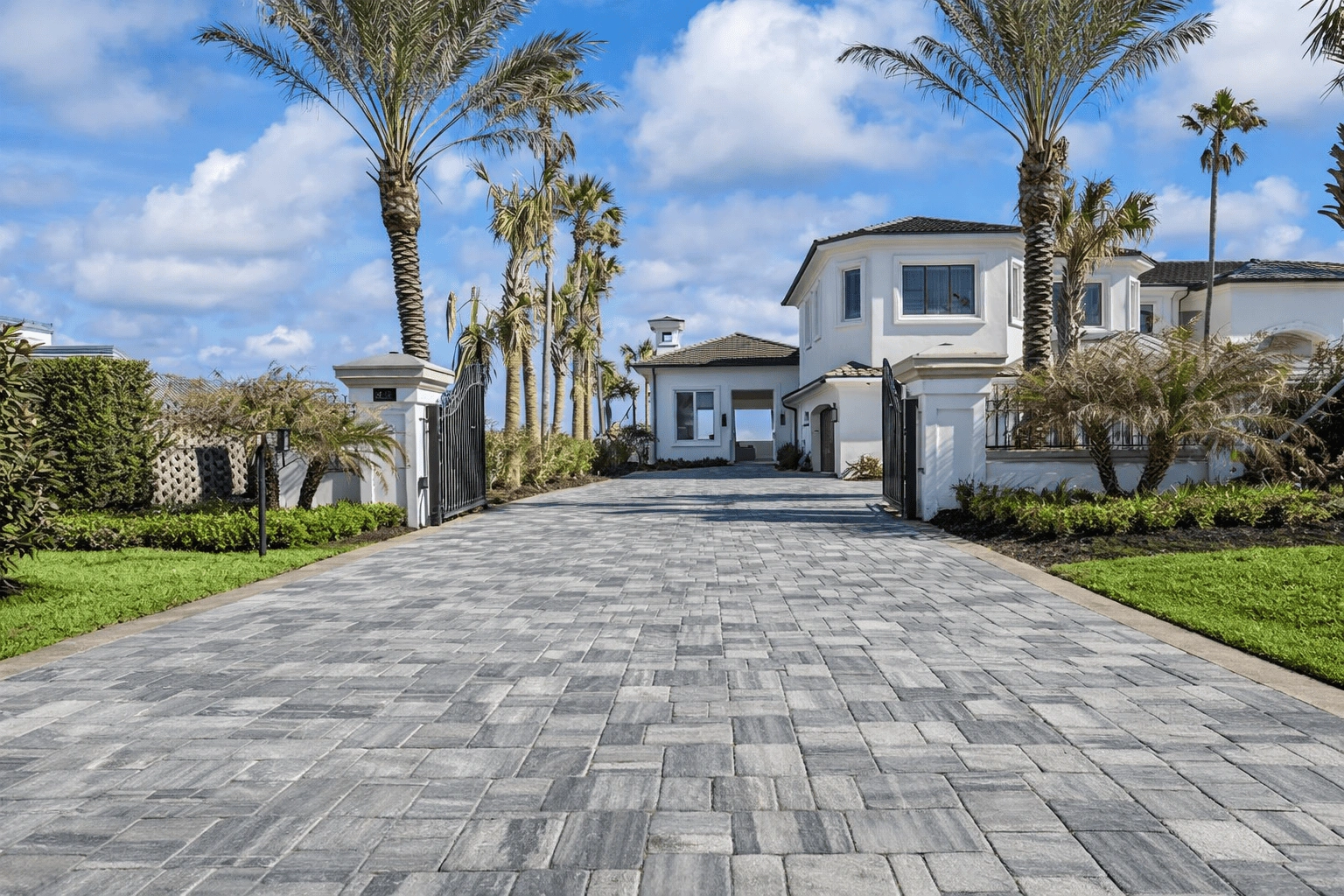
Open surfaces can fade faster and show wear earlier than areas protected by tree canopy or structures.
Storm runoff and irrigation can move sand from joints and leave low areas holding moisture longer.
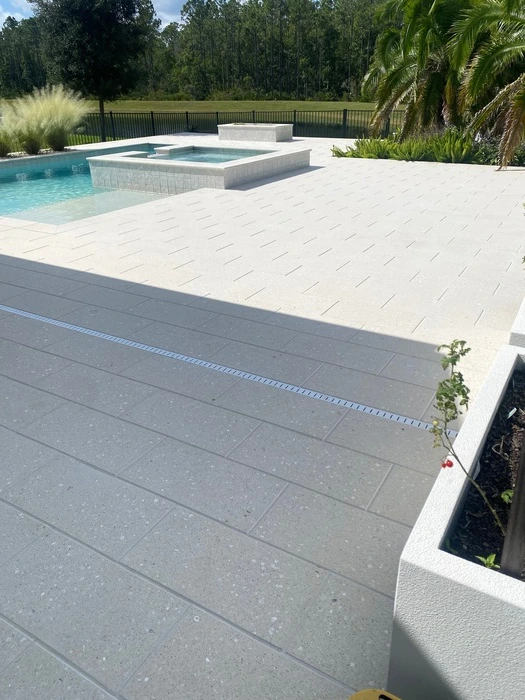
Shade, humidity and landscaping create mildew, algae and tannin staining that must be addressed before sealing.
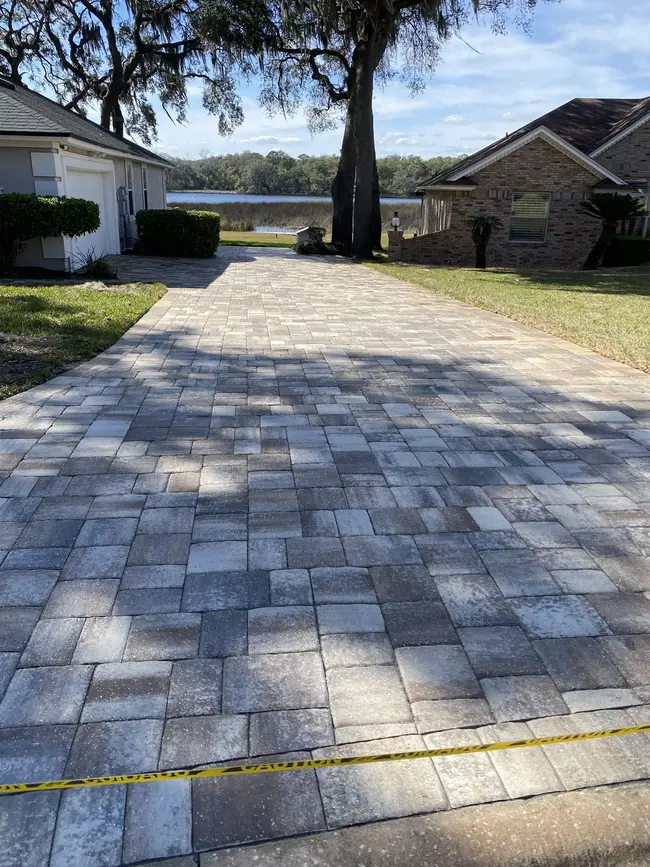
Older beach-area pavers may have uneven or incompatible sealer remnants that change the restoration path.
The Beaches are close together geographically, but tree cover, distance from the ocean, irrigation, drainage and how much of the property stays in open sun all change what we look for before cleaning or sealing.
Driveways and pool areas can stay exposed for most of the day. UV, vehicle use, storms and irrigation can flatten color and lower joints faster on open surfaces.
Mature landscaping can keep walkways, patios and driveway edges damp longer, creating darker organic buildup and uneven appearance between shaded and sunny sections.
Older neighborhoods can combine tree canopy, wind-driven moisture and mixed-age pavers, so cleaning and coating compatibility matter before another sealer is added.
★★★★★“HydroSeal made our paver driveway look brand new. The color came back to life, the joints were properly sanded, and the finish was smooth and professional.”
Scott M. · Google
★★★★★“Outstanding results on our driveway, porch, and flower-bed pavers. Greg was professional, communicated clearly, and provided excellent customer service.”
Jane J. · Google
★★★★★“They took their time, paid attention to every detail, and were thorough from start to finish. Our pavers look brand new and exceeded expectations.”
Sophia K. · Google
Jacksonville Beach, Neptune Beach and Atlantic Beach share coastal humidity, open sun and wind-driven rain. Tree cover, irrigation, drainage and existing coatings still change the preparation needed at each property. HydroSeal evaluates the actual surface before choosing the cleaning, joint restoration and sealing scope.
Open driveways face vehicle traffic and UV exposure, while shaded patios and pool surrounds can hold moisture and organic buildup longer. Low joints and uneven prior coatings may require joint restoration, resealing or stripping before fresh protection is applied.
Explore driveway paver sealing, pool deck sealing, travertine sealing and joint-sand restoration, or view our broader Jacksonville service area.
Built around tire traffic, oil exposure, runoff, joint loss and the curb-appeal impact of a large front driveway.
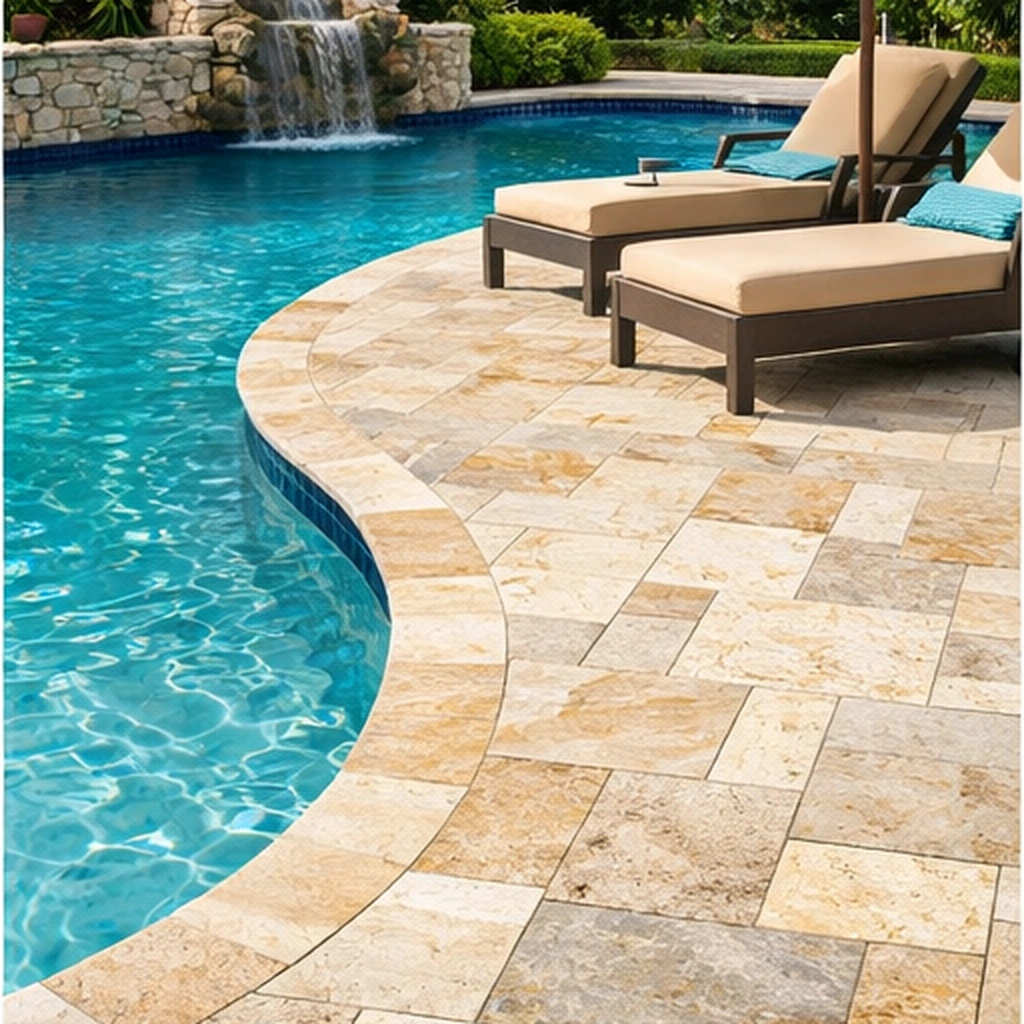
Pool areas need careful cleaning, dry-time control and an application plan that respects walking surfaces and water exposure.
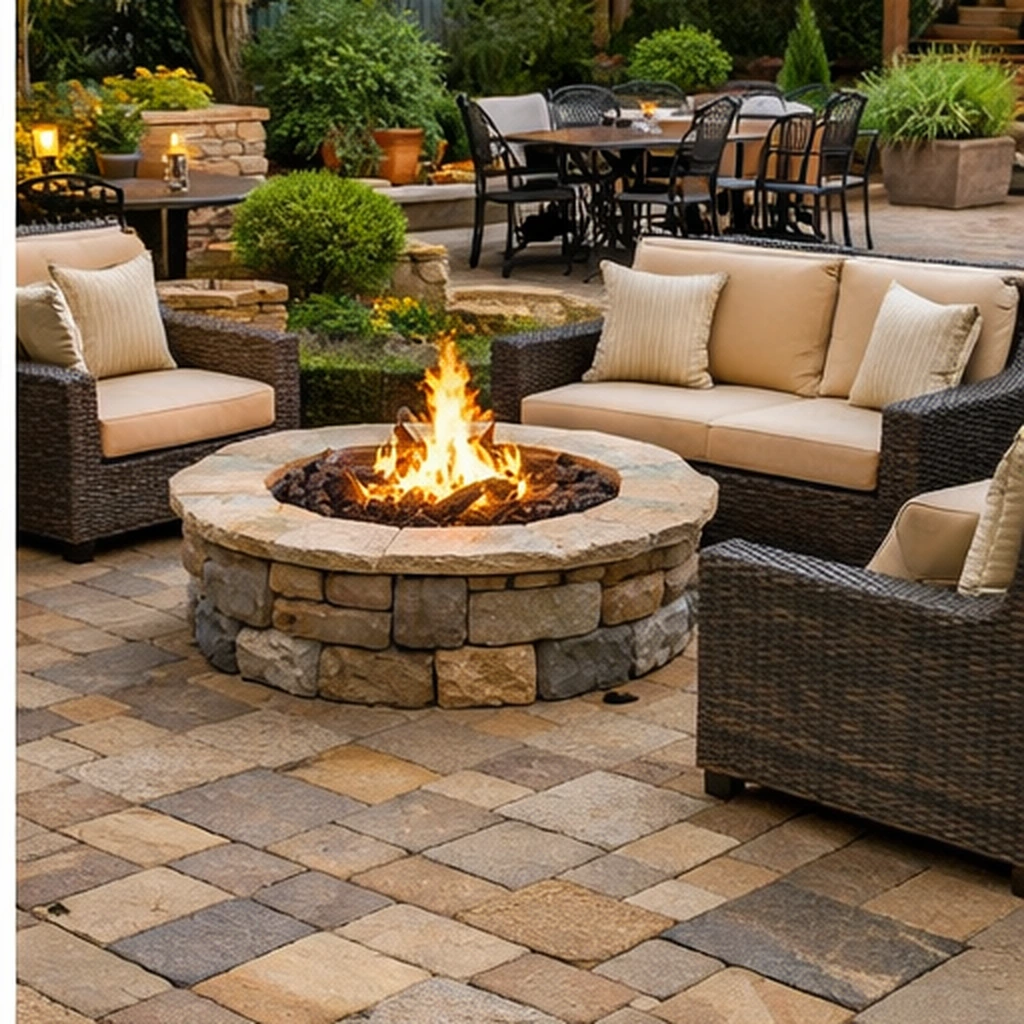
Leaf tannins, mildew, tree cover and irrigation create very different restoration needs than an open-sun driveway.

Travertine is evaluated separately from concrete pavers because porosity, moisture and finish expectations are different.
We look at prior sealer, joint depth, drainage, staining, repairs and the way the property actually gets used.
Organic buildup, dirt and problem areas are treated so contamination is not trapped under fresh sealer.
Where needed, loose material is removed and joints are reset with ASTM C144 kiln-dried sand.
Trident sealer is applied in controlled passes after the surface is properly prepared and dry enough to accept it.
Send the property address and photos of the driveway, pool deck, patio or walkway. HydroSeal can help identify the right cleaning, sanding and sealing scope.