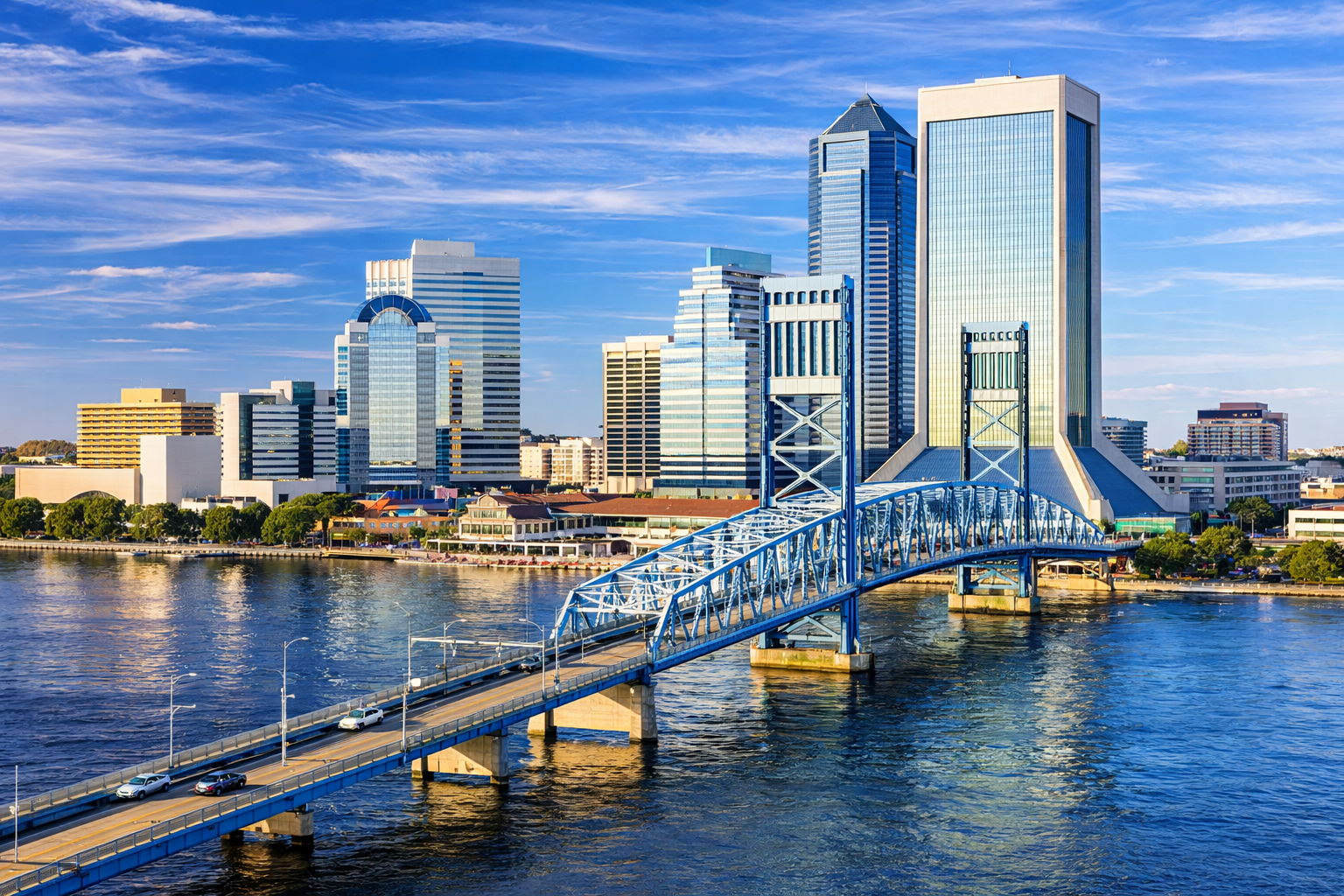
Professional Paver Sealing in Jacksonville
Duval County paver surfaces are exposed to significant environmental stressors, including UV degradation, hydraulic erosion, organic growth, and vehicular traffic. Professional restoration is a structural maintenance process—not just a cosmetic surface treatment.
1) UV Radiation + Thermal Stress Degrade Color Integrity
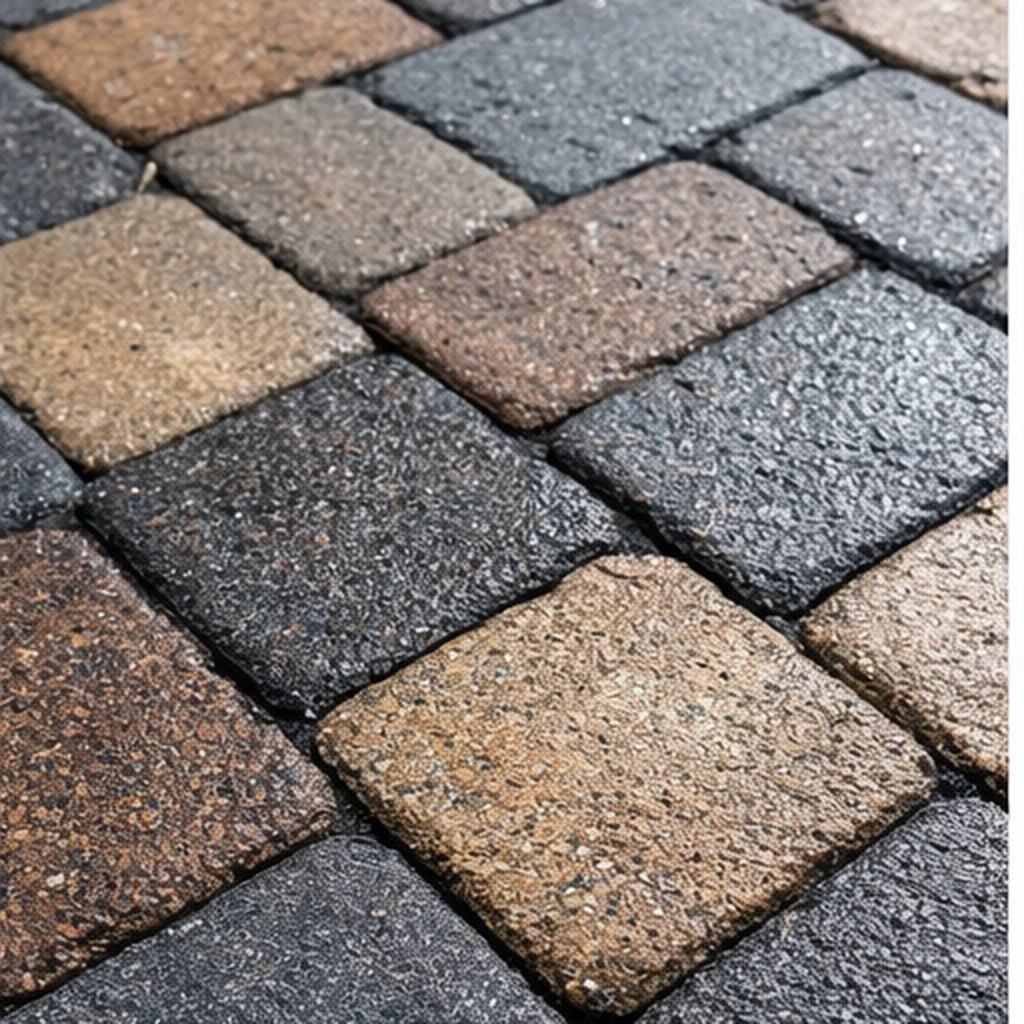
Intense sun exposure across Jacksonville causes surface oxidation. Over time, pavers lose pigments, appear skeletal, and feel “chalky.” High-performance sealers mitigate UV damage and restore consistent architectural depth.
2) Moisture + Tree Canopy = Algae Intrusion & Bio-Growth
Duval’s heavy canopy traps humidity, creating a breeding ground for microorganisms. Algae and mildew thrive on porous patios and shaded sections. Technical cleaning and sealing reduce porosity to facilitate easier maintenance.
3) Hydraulic Erosion Destabilizes Joint Integrity (Structural Risk)
Torrential rains evacuate joint sand, inviting weed intrusion and ant tunneling. This is the primary cause of paver shifting and structural settling. A precise process utilizes ASTM-C144 sand to ensure long-term stabilization.
4) Pool Decks Require High-Performance Safety Systems
In aquatic environments, surface friction and moisture management are the primary concerns. The objective is a refined finish that ensures safety and durability—avoiding tacky buildup or hydrostatic failure.
Duval County Service Areas
Southside
Clean • re-sand • seal for high-use driveways and patios. Includes San Marco.
View Southside →Mandarin
Shade + algae control. Focus on prep, dry time, and a uniform finish.
View Mandarin →Riverside / Avondale
Restore color and reduce organic staining on older patios and walkways.
View Riverside / Avondale →Ortega
High-traffic protection with joint stabilization and clean edge control.
View Ortega →Intracoastal East
Coastal moisture + sand exposure. Built for durability and joint hold.
View Intracoastal East →The Beaches
Salt air + UV + sand. Coastal-grade sealing for Jax, Neptune & Atlantic Beach.
View Beaches →Don’t see your neighborhood? Call us — we likely cover it.
Paver Sealing Services
Deep Cleaning, Joint Sand Reset, and Professional Sealing Designed for Florida Sun, Rain, and Daily Wear.
Paver Driveways
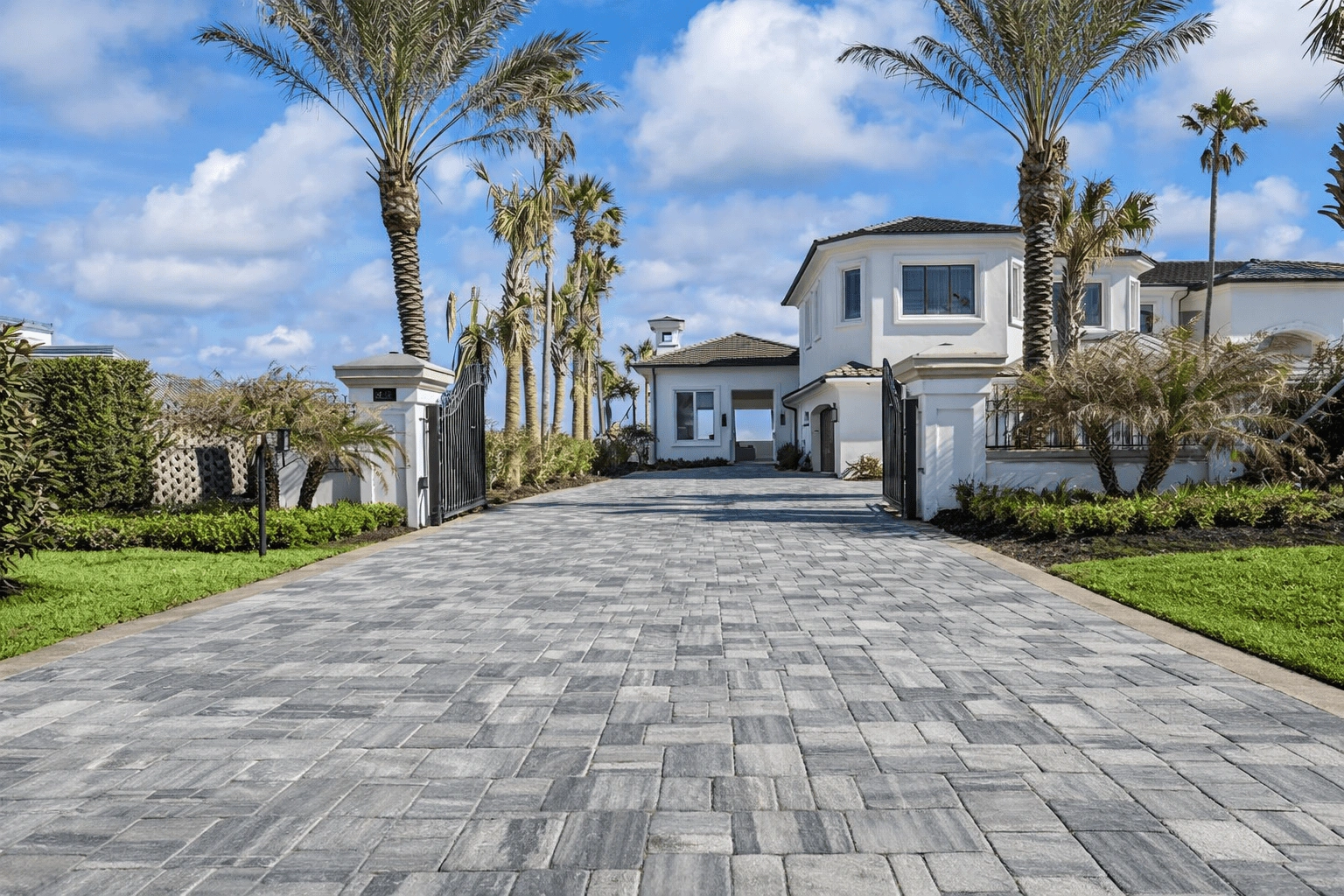
Deep clean + joint sand stabilization + premium sealing for curb appeal and long-term protection.
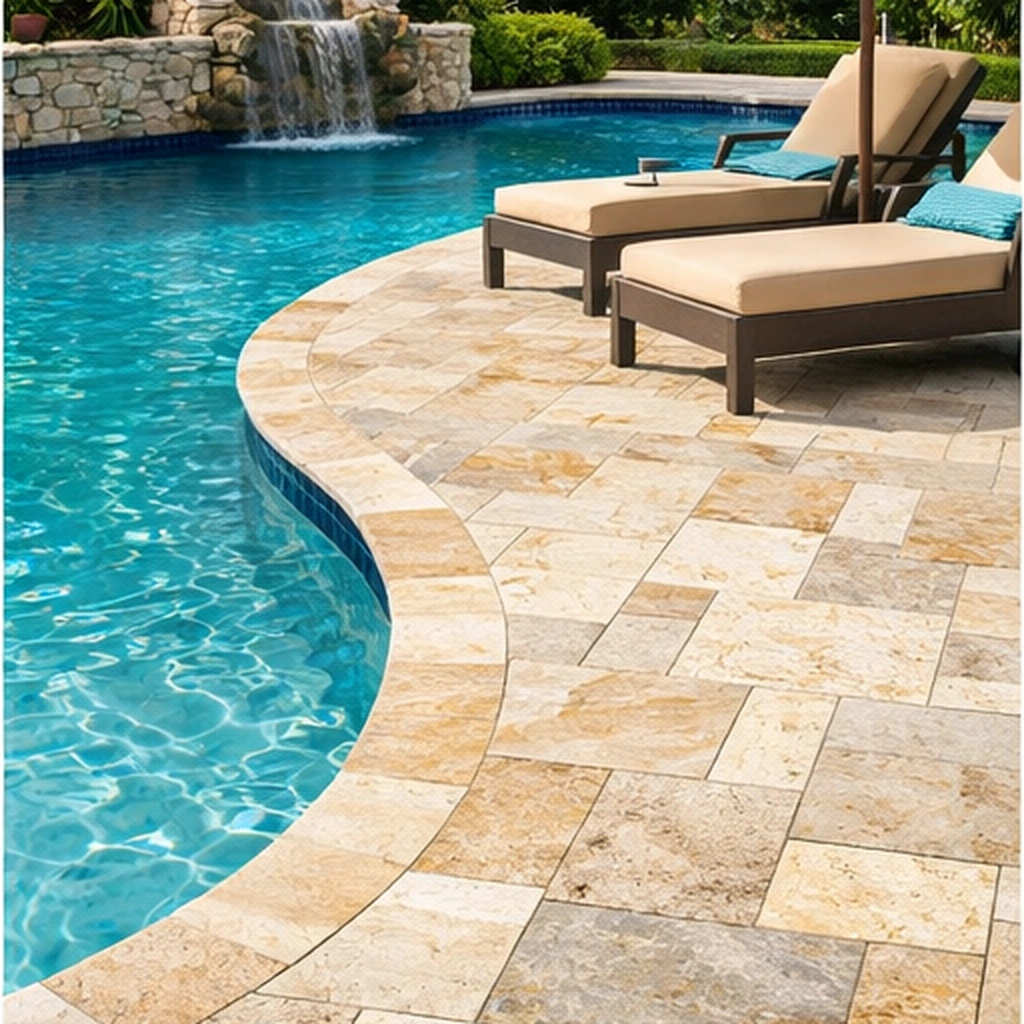
Pool Decks
Cleaner look, easier maintenance, and surface protection where water and pool chemicals matter most.
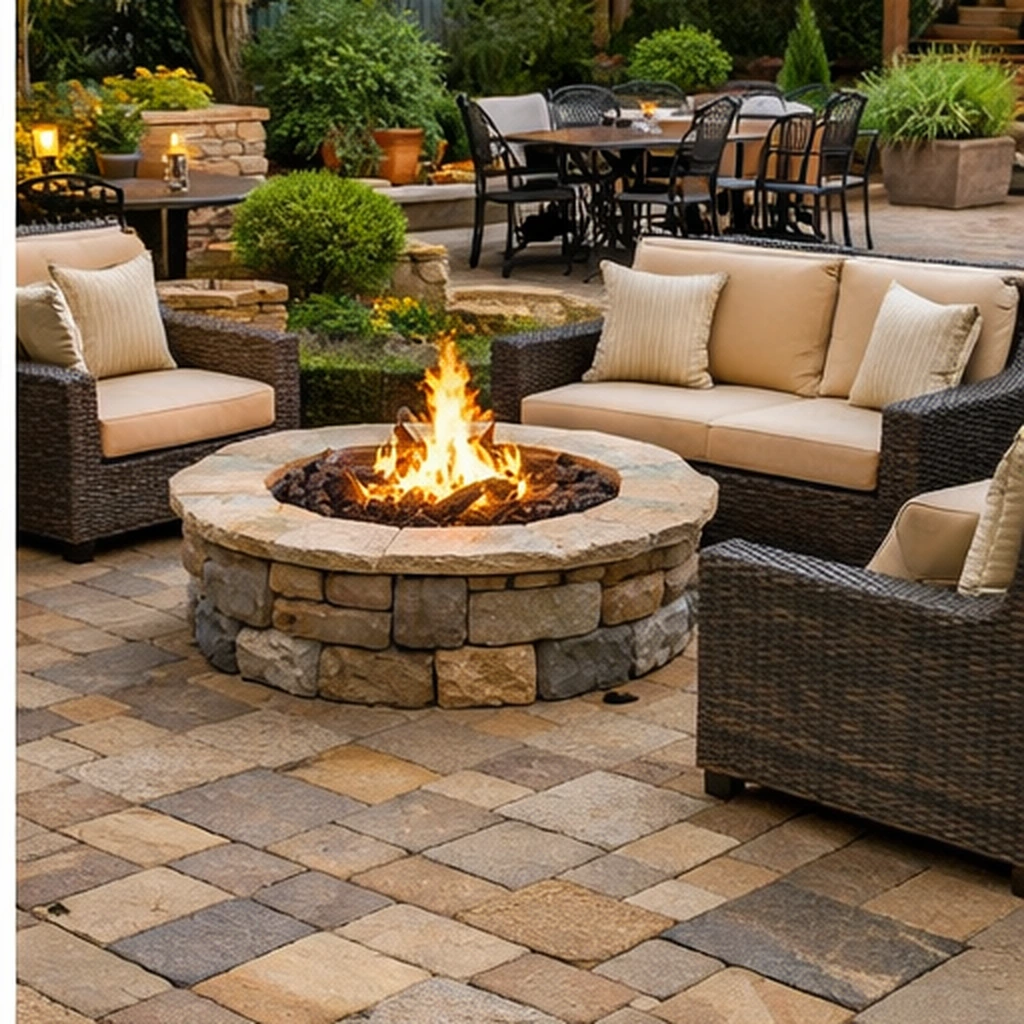
Patios & Walkways
Even finish, stabilized joints, reduced weed growth, and better long-term appearance.
Jacksonville Paver Sealing FAQ
Straight answers to the questions Duval County homeowners ask before sealing a driveway, patio, or pool deck.
How Often Should Pavers Be Sealed In Jacksonville, FL?
In Jacksonville and across Duval County, most pavers should be resealed every 2–3 years. The real driver is exposure: full sun + heavy rain flow + frequent washing wears protection faster. Driveways in open sun usually need maintenance sooner than shaded patios, and pool decks can need earlier recoats because they stay wet more often (splash-out + humidity).
The best strategy is to recoat before total wear-through. Once protection is completely gone, you usually need heavier cleaning and more prep to get back to a uniform finish.
Why Does Joint Sand Disappear So Fast In Duval County?
Jacksonville gets intense storms, irrigation overspray, and runoff. That water movement slowly pulls joint material out over time — especially on sloped driveways, around downspouts, and anywhere rain sheets across the surface.
Once joints open up, you’ll see weeds, ants, shifting pavers, and faster surface wear. That’s why professional sealing includes proper re-sanding and stabilization, not just “spray sealer.”
Can You Seal Pavers With Algae, Mildew, Or Dark Staining?
No. Pavers should never be sealed while algae, mildew, or organic staining is still present. Sealing over contamination traps it beneath the coating and causes dark blotches, uneven color, and premature failure.
Proper paver sealing requires thorough cleaning and surface preparation first — treating organic growth, removing staining, rinsing completely, and allowing the surface to fully dry. Only then can a sealer bond correctly and deliver a clean, uniform, long-lasting finish.
Does Sealing Help Prevent Oil Stains, Rust Stains, And Fertilizer Marks?
Sealing helps reduce absorption and makes cleanup easier for common staining: oil drips, rust (metal furniture, fertilizer), leaf tannins, and organic fallout.
No sealer makes pavers “stain-proof,” but it buys you time — stains don’t penetrate as fast, and routine maintenance becomes simpler. Fast cleanup still matters.
Does Sealing Make Pavers Slippery — Especially Around Pool Decks?
It can if the wrong finish is chosen or the sealer is applied too heavy. Slippery areas usually come from puddling or “wet look” buildup in walking zones.
Pool decks require a more careful approach than driveways: controlled coats, clean edges, and traction-friendly options where needed. The goal is a premium finish that stays walkable when wet.
What’s The Biggest Paver Sealing Mistake Homeowners Make?
Waiting until joints are washed out and pavers start moving. Once the system is loose, you get shifting, weed growth, ant tunneling, and water intrusion.
Sealing is surface protection — it does not fix base or drainage problems. If we see sinking, rocking, or low spots that hold water, we’ll explain the right fix first so you don’t pay for sealing on an unstable surface.