TL;DR / Key Takeaways
- For most homes, Florida paver resealing is needed about every 2 to 3 years.
- Driveways usually wear faster than patios, and pool decks require special moisture and slip considerations.
- Beach-adjacent neighborhoods usually need shorter reseal cycles than inland neighborhoods.
- Watch for faded color, sand loss, fast water absorption, and recurring algae or mildew.
- The safest paver sealing schedule is condition-based after an inspection, not a one-size-fits-all yearly plan.
How often should pavers be sealed in Florida? For most properties in Northeast Florida, the practical answer is every 2 to 3 years. That is the baseline. The real schedule depends on where the pavers are, what kind of surface you have, and how aggressively the finish is wearing in your specific environment. A driveway in full sun may need attention sooner than a shaded patio, and a coastal surface near Ponte Vedra may age differently than the same pavers in inland Fleming Island.
If you are trying to set a realistic Jacksonville paver sealing maintenance plan, it helps to think in terms of condition checks rather than fixed calendar promises. Florida weather does not wear all hardscapes evenly, so your paver sealing schedule should be tied to visible performance signs, not generic marketing timelines.
Why Most Florida Pavers Land in the 2-to-3-Year Range
UV exposure is constant
Florida sun is intense for most of the year. UV degradation is one of the biggest reasons sealer films and color enhancement fade on concrete pavers. Even good products lose performance over time, especially on open driveways and unshaded patios.
Moisture cycles are frequent
Rain, irrigation, humidity, and organic debris keep pavers in repeated wet-dry cycles. That drives algae growth and slowly weakens surface protection. Areas that stay damp longer, like north-facing walkways or enclosed pool decks, may show wear differently than dry, open sections.
Traffic and use vary by surface
When homeowners ask how often to reseal pavers, the best answer often starts with use patterns. Vehicle traffic, foot traffic, and cleaning methods all affect wear rate. A two-car driveway and a lightly used side patio should not be put on the exact same schedule by default.
Surface Type Comparison: Driveway, Patio, Pool Deck, and Travertine
Different surfaces age differently, even at the same home. Use the table below as a planning range, then confirm with a field inspection.
| Surface Type | Typical Reseal Timeline | Why It Changes |
|---|---|---|
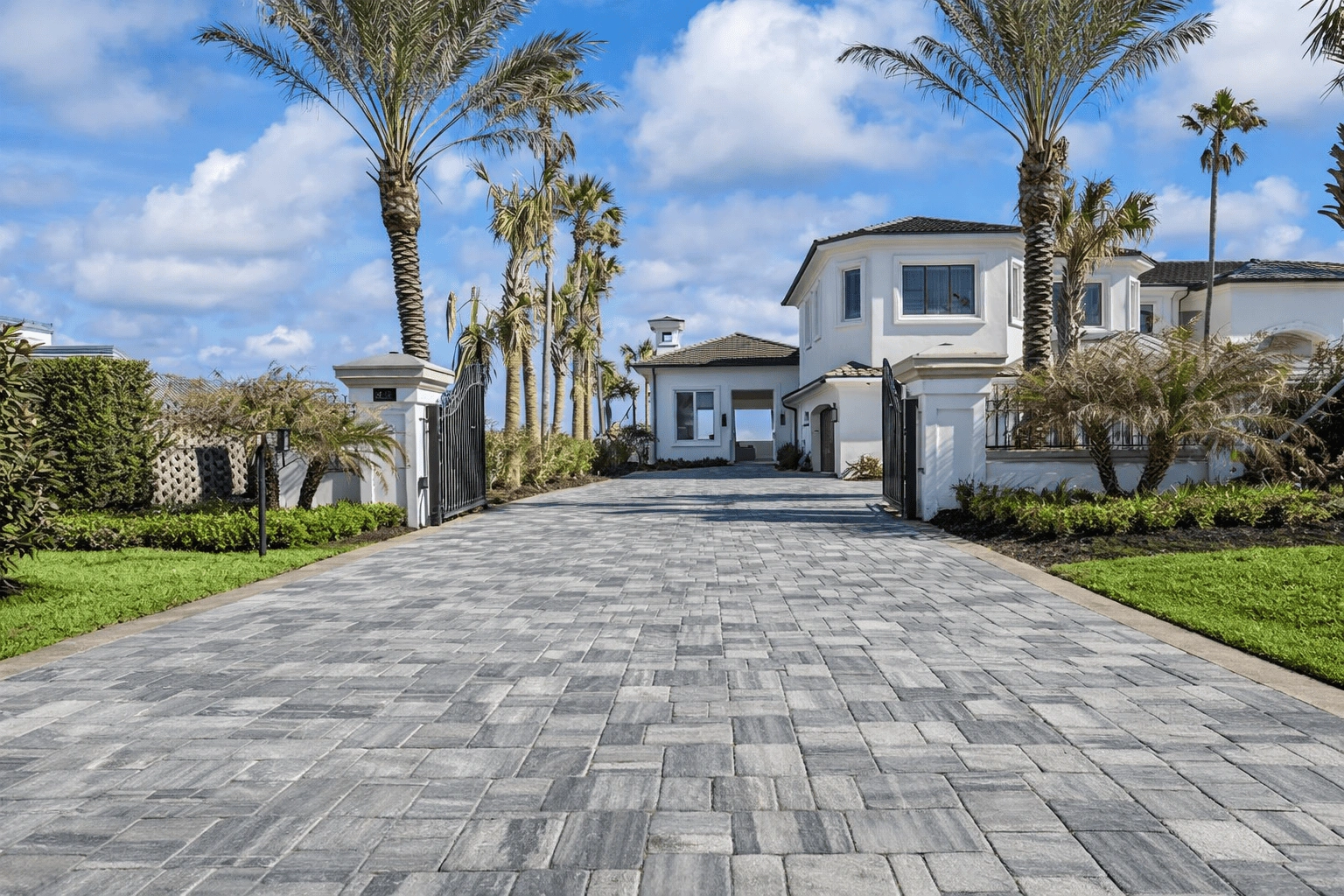
| Driveway pavers | About 2 years | Higher UV, tire friction, oil drips, and more aggressive cleaning exposure. |
| Patio pavers | About 2 to 3 years | Moderate traffic, variable sun exposure, and usually fewer automotive contaminants. |
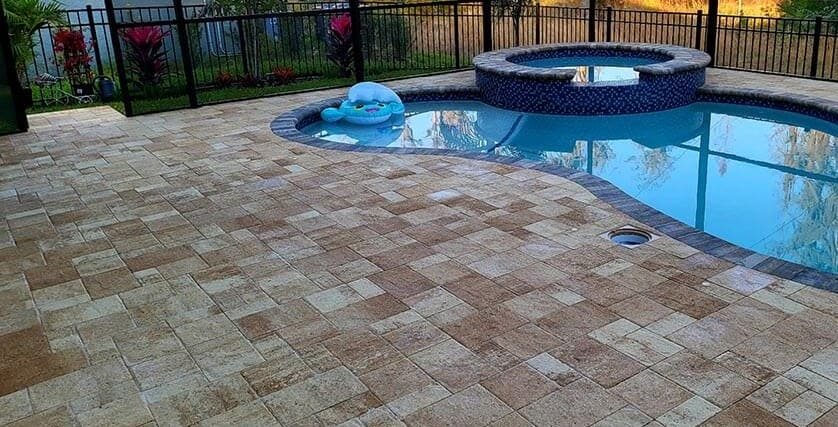
| Pool deck pavers | About 2 years | Frequent moisture, chemistry exposure, barefoot traffic, and ongoing biological growth pressure. |
| Travertine | About 2 to 3 years | Porosity, finish expectations, and moisture behavior require product-specific timing and inspection. |
If your main concern is pool-zone wear, this guide provides more context: Pool Deck Sealing in Jacksonville.
Inland vs Beach: Why Location Changes the Schedule
Beach-adjacent wear tends to be faster
Homes closer to the coast usually need shorter reseal cycles. Salt air, wind-driven grit, and heavier UV exposure can age surfaces faster than inland neighborhoods. If you want a deeper breakdown, see why pavers fail faster near the beach.
Local examples across Northeast Florida
Nocatee: Many properties have newer pavers, irrigation-heavy landscaping, and HOA appearance pressure. Reseal timing often hinges on joint stability and moisture control more than age alone. Local context here: Nocatee service area.
Ponte Vedra: Coastal exposure can shorten the interval, especially for open driveways and walkways. Local conditions: Ponte Vedra service area.
Jacksonville Beach: Similar coastal patterns apply, with wind-blown sand and salt air increasing wear stress on surface finish and joints.
Fleming Island: More inland moisture/shade patterns can create biological growth pressure that changes maintenance needs differently than beach exposure. Local page: Fleming Island service area.
How to Tell It Is Time to Reseal
You do not need to guess. Most surfaces show clear signs before full failure.
1) Color is fading or uneven
If pavers look chalky, dull, or inconsistent after normal cleaning, protective performance may be dropping.
2) Joint sand is visibly lower
When joint sand drops below paver edges, water movement and seed settlement increase. If this continues, weeds and ants often follow.
3) Water absorbs quickly
When water stops beading and starts soaking in rapidly, surface protection is usually reduced.
4) Algae or mildew returns faster
Frequent regrowth in damp or shaded sections can signal that protective performance has fallen enough to justify maintenance.
Can You Reseal Too Early?
Yes. Resealing too often can create film buildup, uneven sheen, and bonding issues. That is why annual automatic resealing is usually not the best policy. A condition-based recommendation after inspection is safer and more cost-effective than forcing a fixed interval every year.
If you are unsure whether to reseal driveway pavers now or wait one season, inspect objective markers first: water behavior, sand depth, algae recurrence, and finish consistency.
HydroSeal's Practical Scheduling Approach
HydroSeal starts with inspection first, then provides a condition-based recommendation. That includes checking joint sand stability, contamination, moisture readiness, existing sealer behavior, and local weather exposure. The goal is to match timing and prep scope to surface condition instead of forcing a script.
Process details are handled in sequence: cleaning and prep, sand correction where needed, and sealer selection using Trident-only products. Depending on moisture and job conditions, projects may run as one-day or two-day schedules. The timing decision is made for quality control, not speed.
Frequently Asked Questions
How often should pavers be sealed in Florida?
Most Florida pavers should be resealed about every 2 to 3 years. That timeline changes based on sun exposure, irrigation, traffic, joint sand condition, and whether the surface is near the coast.
Do driveways need to be sealed more often?
Usually yes. Driveways often need resealing sooner than patios because they get more UV exposure, tire traffic, fluid drips, and pressure washing, which all accelerate wear.
Do pavers near the beach need more maintenance?
Yes. Beach-adjacent areas like Jacksonville Beach and Ponte Vedra typically need more frequent maintenance because salt air, wind-blown sand, and stronger UV exposure break down sealer faster.
How can I tell if my pavers need to be resealed?
Common signs include faded color, visible joint sand loss, water soaking in quickly instead of beading, and faster algae or mildew growth in shaded zones.
Can pavers be sealed too often?
Yes. Sealing too frequently can cause buildup, uneven sheen, and adhesion problems. A condition-based schedule is safer than sealing on a fixed annual cycle.