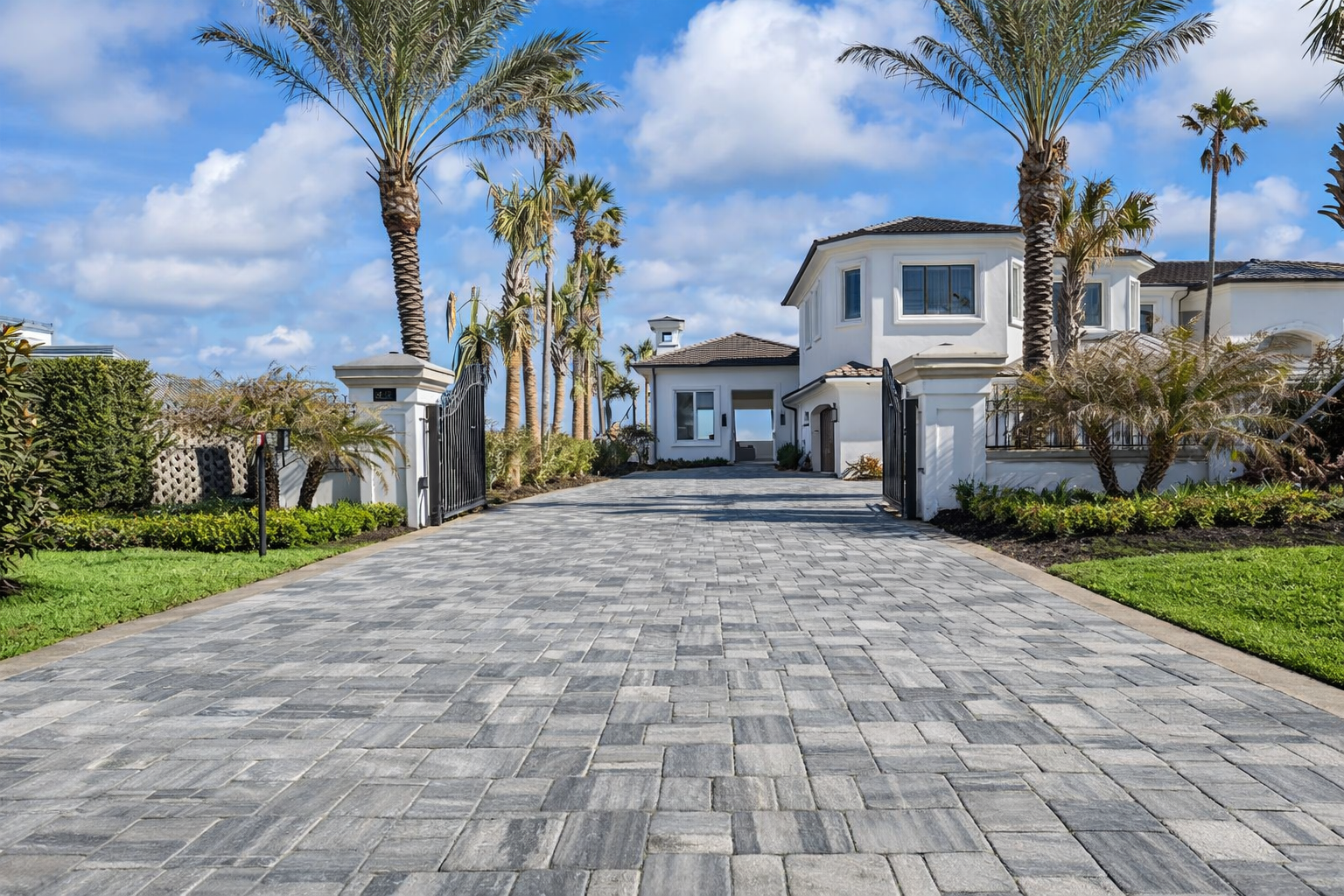
In Nocatee, FL, paver surfaces face conditions that quickly expose average work. Strong sun, high humidity, seasonal storms, and constant irrigation put ongoing stress on both the surface and the joints. In this setting, shortcuts show up fast as uneven color, haze, joint sand loss, and early wear.
Homes in Nocatee are held to a higher standard, and the materials protecting them should be as well. Long-term results come from products engineered for Florida conditions—not entry-level sealers—paired with proper prep, restored joint sand, and a controlled application that preserves appearance year after year.
What Sealing Should Do For Your Nocatee Pavers
A Premium Job Isn’t About “Making It Shiny.” It’s About Stability, Uniformity, And A Surface That Stays Easier To Maintain — Without Blotches, Puddling, Or Tacky Spots.
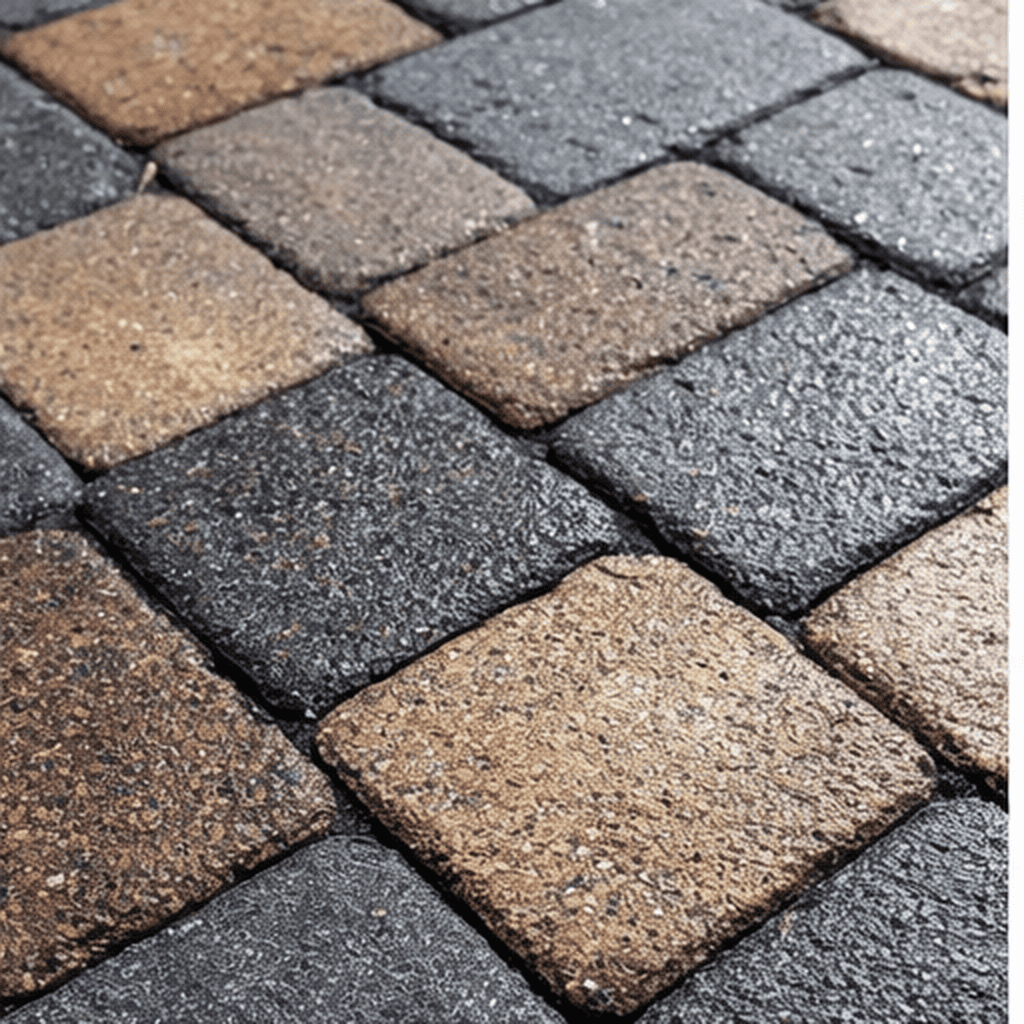
- Richer Color + A More Even Finish
- Joint Sand Stabilization (Less Washout)
- Helps Resist Stains From Grime + Organics
- Reduced Weed Growth In Joints
- Easier Rinsing And Maintenance After Storms
Our Professional 6-Step Process
Consistent Results Come From Prep, Joint Integrity, Moisture Control, and Controlled Application. That’s How You Avoid Haze, Blotchy Finish, and Early Failure in Florida Conditions.
- Inspection: Surface, Drainage, Stains, Joint Condition
- Clean: Correct Chemistry + Controlled Rinse
- Re-Sand: Reset Joints with Trident Joint Sand (ASTM-C144) and Compact Correctly
- Dry & Verify: Moisture Checks + Weather Discipline
- Seal: Controlled Application Using Trident Hurricane CAT 5
- Final Walkthrough: Cure Times, Care Notes, and Maintenance Guidance
Placeholder until GBP is live and we have verified reviews + gallery content.
Get Your Nocatee Paver Sealing Quote Today?
Fast quote: address in the 32081 and a couple photos. Or call now and we’ll walk you through it.
Placeholder until GBP is live and we have verified reviews + gallery content.
Nocatee Paver Sealing – Common Questions
How much does paver sealing cost in Nocatee?
Most professional paver sealing projects in Nocatee or the 32081 area start around $1.50 per square foot. Final pricing depends on surface condition, joint sand loss, staining, access, and prep requirements. We use Trident Hurricane CAT 5 sealer and Trident joint sand (ASTM-C144), which cost more but hold up better in Florida conditions.
Is paver sealing really worth it in Florida?
In Florida, paver sealing is usually worth it when it’s done correctly. Unsealed pavers fade faster, lose joint sand during storms, and absorb stains from organics, irrigation, and vehicle traffic. A professional system that resets joints and uses premium sealer helps protect color and reduce maintenance.
How long does paver sealing last in Nocatee?
With correct prep and premium materials, most sealed pavers in Nocatee last about 3–4 years before a maintenance re-coat is needed. Sun exposure, traffic, drainage, and irrigation patterns all affect longevity.
Do you have to replace joint sand before sealing pavers?
If joint sand is failing, yes. We remove deteriorated material and re-sand using Trident joint sand (ASTM-C144), compacted to the correct depth. Skipping joint restoration is one of the biggest reasons paver sealing jobs fail early in Florida.
Does paver sealing make surfaces slippery?
It can if the wrong product or application method is used. For walking areas and pool decks, we adjust the finish and can add slip-resistance additives when appropriate. We evaluate traction and safety before sealing begins.
What causes paver sealing jobs to fail in Florida?
Most failures come from shortcuts — sealing damp pavers, skipping joint re-sanding, using low-grade sealers, or rushing dry times. Florida humidity and sudden storms expose poor prep quickly. We prioritize moisture control, joint integrity, and controlled application to help prevent haze, peeling, and sand loss.
When is the best time to seal pavers in Nocatee?
Spring through early fall is ideal, provided weather and moisture conditions are right. The surface must be fully dry before sealing. If conditions aren’t safe — high humidity, recent rain, or trapped moisture — we delay rather than risk a failed finish.